
Treatment Options for Ovarian Cancer
The effectiveness of this treatment will often depend on a variety of circumstances, such as:
- Factors such as age, stage, cancer kind, wellbeing or grade
- Personal affinities
- Affordability and ease of access to healthcare
Options for treatment include:
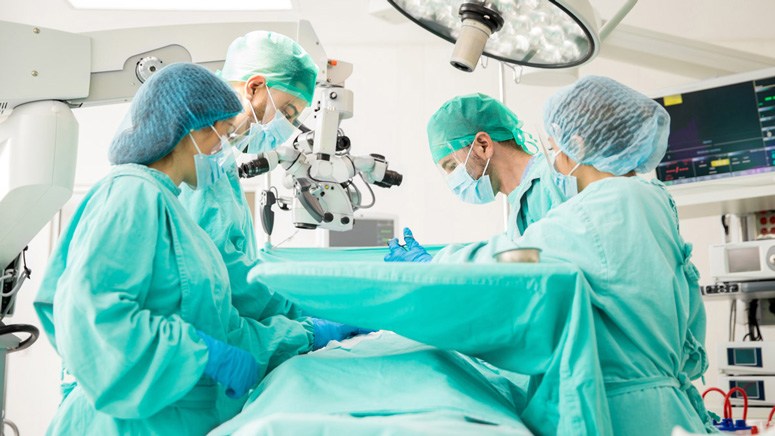
Surgery
The option will be determined by the type and stage of cancer being treated. Hysterectomy, ovarian removal, and lymph node dissection are all possible surgical treatments. The individual and their doctor will talk about their preferred choice.
Chemotherapy
The goal of these medications is to eradicate cancer cells. All of a patient’s organ systems will feel the effects of chemotherapy, whether the medications are administered intravenously, intramuscularly, or orally. Intraperitoneal chemotherapy is a further viable alternative. Here, the medicine is inserted into the body through a tube and sent straight to the site where it will do the most good in combating the cancer. It’s important to be aware of the potential for broad side effects from chemotherapy [5], especially when the treatment is systemic.
Targeted Therapy
Certain treatments are aimed specifically at the cells that contribute to the expansion of the tumor. Monoclonal antibody therapy and also angiogenesis inhibitors are two examples of this type of treatment. Targeted therapy has as its primary objective the reduction of unwanted side effects by concentrating on particular bodily systems.
Radiation Therapy
X-rays are used in this method to eliminate any cancer cells that may be present. The peritoneum can be injected with a radioactive liquid as one method of accomplishing this goal. It’s possible that this could help patients with higher grade of ovarian cancer.
Immunotherapy (Biotherapy)
The purpose of this is to strengthen the immune system so that it can better protect the body from cancer. Injecting ingredients into a patient as part of vaccine therapy allows for the tumor to be located and eradicated. It is possible that those with higher stage of ovarian cancer will benefit from it.
Supportive (Palliative) Care
The goal of palliative care is to alleviate suffering by treating pain and other symptoms associated with advanced illness. Specialists in palliative care collaborate with you, your loved ones, and your primary care physicians to offer additional care and comfort. Additionally, palliative care can be used in conjunction with more aggressive treatments like surgery or chemotherapy.
References;
[1] https://www.nhs.uk/conditions/ovarian-cancer/
[2] https://www.cancer.gov/about-cancer/causes-prevention/genetics/brca-fact-sheet
[3] https://www.cdc.gov/cancer/ovarian/basic_info/index.htm
[4] https://www.mayoclinic.org/tests-procedures/ca-125-test/about/pac-20393295
[5] https://www.cancer.org/treatment/treatments-and-side-effects/treatment-types/chemotherapy.html