
Why else could there be mold in your toilet?
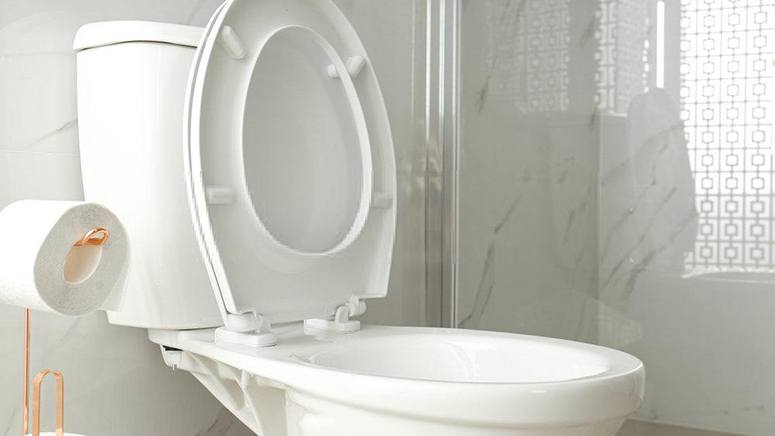
Mold in your toilet is probably a result of the bathroom’s atmosphere. Toilet basins are always damp, which promotes the formation of mold. Showers and sinks are additional bathroom fixtures that might produce dampness.
Molds also consume nutrients from plant and animal materials as a source of food. They can obtain these nutrients in the form of pee and feces in a toilet bowl.
When water is left to stand for a long period, toilet rings can frequently form. This explains why toilet bowl rings are frequently found near the water line. When water runs around the bowl’s sides, stains could also develop there.
There are various things you can do to stop mold from developing in your toilet. These consist of:
- Regularly cleaning your toilet with a brush and toilet bowl cleaner
- flushing less-frequently used toilets on a daily basis
- using the bathroom fan while taking a shower keeps your bathroom aired immediately cleaning leaks or spills.
Conclusion
You may have heard that a persistent mold growth in your bathroom can be an indication of diabetes. This is due to the possibility that mold in a bathroom could eat additional sugar that diabetics’ urine may contain.
There is currently no scientific proof, though, that diabetes and toilet mold are related. Mold development might be encouraged by the toilet’s surroundings.
References
[1] https://www.who.int/news-room/fact-sheets/detail/diabetes
[2] https://www.webmd.com/diabetes/what-is-glycosuria
[3] https://www.cdc.gov/
[4] https://www.sciencedirect.com/topics/biochemistry-genetics-and-molecular-biology/serratia-marcescens