
How to treat atopic and contact dermatitis
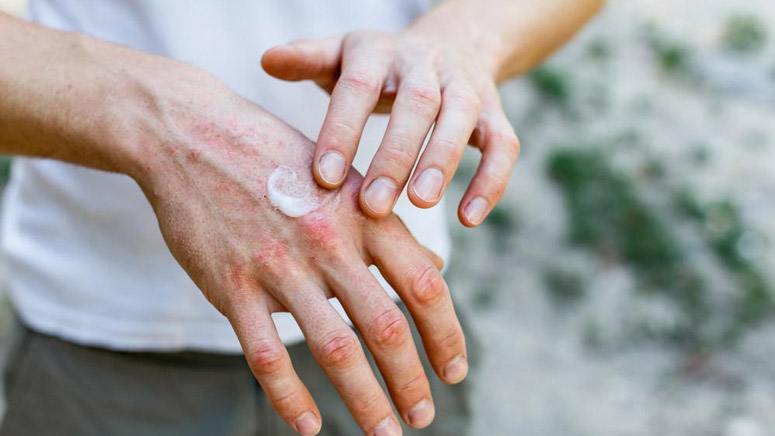
People with the two medical conditions may require the same treatment methods. Contact and atopic dermatitis can be treated with oral or topical drugs to prevent or relieve symptoms.
Other treatment methods include:
- Emollients
- Antihistamines
- Moisturizing regularly to prevent dry skin
- Using gentle skin products, such as mild soap
- Staying away from harsh chemicals or products with fragrance or perfume
- Avoiding triggers like extreme heat or foods you’re allergic to
- Avoiding stress
- Taking antibiotics in the event of an infection
- Keeping showers or baths brief
- Stop using hot water while bathing
Your doctor may not recommend any treatment method for contact dermatitis. The condition goes away after a while.
It is important to identify what is responsible for your contact dermatitis to prevent it from happening again. You can do the following to prevent the condition:
- Avoid contact with an allergen as much as possible
- Wash your skin after exposure
- Oral antihistamines [5] (if needed)
- Topical steroids [6] for immediate symptomatic relief
You should see your healthcare provider if you notice the following:
For atopic dermatitis:
- Your skin is inflamed or itchy
- symptoms are stopping you from doing daily activities or are interfering with sleep at night
- Skin is infected and showing signs of crusting and scabbing.
- symptoms are worsening or staying the same despite treatment
For contact dermatitis:
- Rash gets painful
- Rash is spreading