
Treatment for Facial Eczema
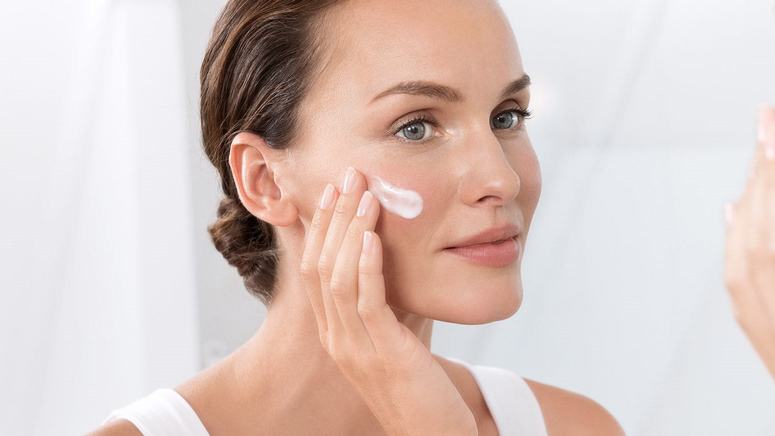
Eczema can be effectively treated. The symptoms of all the different types of eczema are similar therefore they often respond to similar treatments. Some treatment methods for eczema include:
Keep your skin moisturized
This will help you relieve its symptoms. Keep your skin moisturized to reduce dryness and promote healing. This helps reduce irritation and itchiness, and prevents skin cracking.
Apply moisturizers that treat eczema, look specifically for moisturizers that treat eczema. These include products with ingredients like ceramides to improve your skin’s barrier and ease irritation. You can also apply an over-the-counter topical cortisone cream to stop itching and inflammation. Be sure that the product you are using does not have any ingredient that you are allergic to.
Identify and avoid products that cause irritation
You can also treat facial eczema by identifying triggers and removing the source of irritation. Keep in mind that labeling a product as “sensitive” doesn’t mean that it can’t cause irritation. Even so, choosing fragrance-free or hypoallergenic makeup and skin care products can reduce the risk of irritation.
Apply sunscreen when outdoors
Applying sunscreen to your face helps treat and prevent light sensitive eczema, as does avoiding extreme temperatures and high humidity.
See a doctor if OTC moisturizers don’t work
To keep your skin moisturized, you should apply moisturizer twice a day, especially after cleansing your face, helps your skin retain moisture. If over-the-counter moisturizing creams don’t work, or if your facial eczema doesn’t respond to self-treatment, see a doctor.
Your doctor might recommend other therapies, including:
- prescription topical corticosteroids to reduce inflammation
- prescription antihistamine
- light therapy [3]
- biologics
- steroid-free topicals such as crisaborole
- immune modulators [4] such as topical tacrolimus and pimecrolimus