
Managing and Treating Jock Itch
Will jock itch go away on its own? Usually, jock itch doesn’t go away on its own. If you don’t treat it, it can spread to other parts of your body, such as your:
- Nails: Treating fungal nail infections can be more challenging. They frequently have higher treatment resistance.
- Hands: Your hands could become infected with a similar fungal condition. This occurs when you dry off both places with the same towel or scratch your infected groyne with your hands.
- Feet: Your feet may become infected with the same fungus that causes jock itch. It’s referred to as athlete’s foot. Usually, the fungus travels through your pants from your groyne to your feet. Using the same towel to dry off two spots can also cause it to spread.
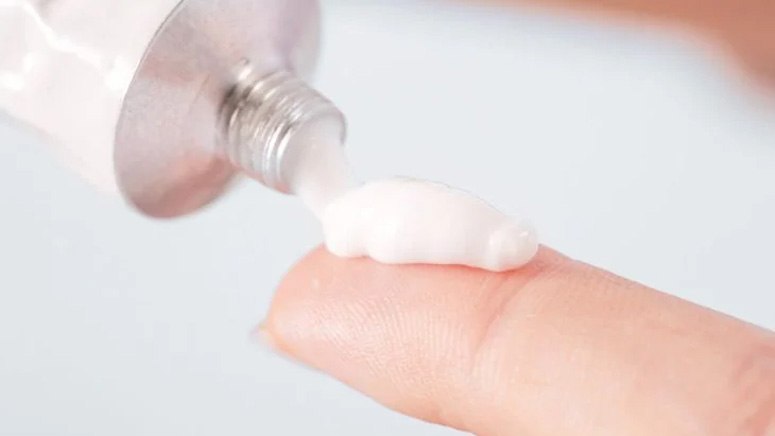
To treat jock itch, you may need over-the-counter (OTC) and prescription antifungal creams, ointments, gels, sprays or powders to effectively treat jock itch. These products contain clotrimazole [3], miconazole [4], tolnaftate [5] or terbinafine [6].
Some prescription antifungal medications are pills. These pills contain fluconazole [7], itraconazole [8] or terbinafine. It’s important that you finish your full course of medicine. If you stop too soon, your jock itch may come back and be harder to treat.
Using an over-the-counter (OTC) or prescription antifungal cream, ointment, gel, spray, or powder is the quickest way to treat jock itch. In more severe situations, your doctor might recommend antifungal medications to treat jock itch.
Additionally, it’s critical to maintain the area cool, dry, and clean for a quicker recovery.
Can jock itch be treated with alcohol?
A moderate jock itch may be relieved by rubbing alcohol. You can halt or prevent fungal development on the skin’s surface by rubbing alcohol on it. Rubbing alcohol, however, can exacerbate irritation and leave your skin feeling tight and dry.