
Who Is Likely to Have Leprosy and What Are the Types of leprosy?
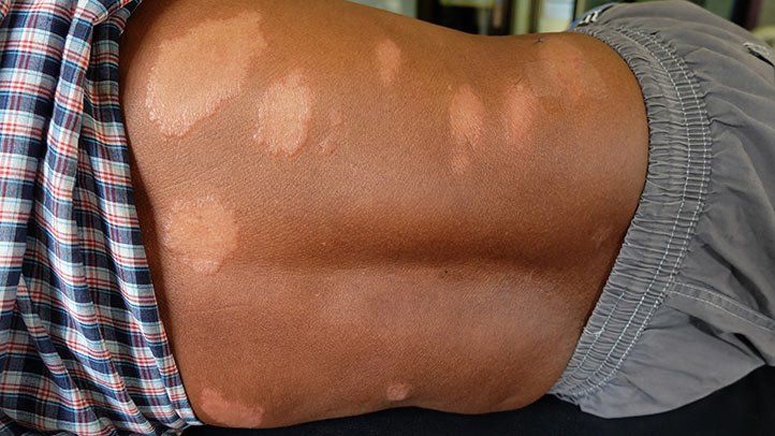
Leprosy can affect anyone no matter the age or gender, however, it is more common in people aged five to 15 or those over 30. According to research, over 90% of people infected with Mycobacterium leprae do not actually develop leprosy because their bodies fight off the infection.
There are three main types of leprosy, they include:
- Tuberculoid leprosy: Someone with this type of leprosy usually has mild symptoms, developing only a few sores. This is because of a good immune response. Tuberculoid leprosy is also known as paucibacillary leprosy.
- Lepromatous leprosy: This type of leprosy causes a wide spread of sores and lesions that affects nerves, skin and organs. With lepromatous leprosy, the immune response is poor and the disease is more contagious. Lepromatous leprosy is also called multibacillary leprosy.
- Borderline leprosy: This type of leprosy involves symptoms of both tuberculoid and lepromatous leprosy. Borderline leprosy is also known as dimorphous leprosy.
Other types
- Indeterminate leprosy: In this case, a few hypopigmented macules can heal spontaneously. This type persists or advances to other forms.
According to the WHO
- Paucibacillary leprosy: skin lesions with no bacilli (M. leprae) seen in a skin smear
- Multibacillary leprosy: skin lesions with bacilli (M. leprae) seen in a skin smear
However, the WHO further modifies these two classifications with clinical criteria due to the non-availability or non-dependability of the skin-smear services. The clinical system of classification for treatment includes the use of several skin lesions and nerves involved as the basis for grouping leprosy patients into multibacillary [2] (MB) and paucibacillary [3] (PB) leprosy. Research suggests that up to about four to five skin lesions constitute paucibacillary leprosy, while about five or more constitute multibacillary leprosy.
Multidrug therapy [4] (MDT) with three antibiotics (dapsone, rifampicin, and clofazimine) treats multibacillary leprosy, while a modified MDT with two antibiotics (dapsone and rifampicin) is recommended for paucibacillary leprosy and composes most current treatments today (see treatment section below). Paucibacillary leprosy usually includes indeterminate, tuberculoid, and borderline tuberculoid leprosy from the Ridley-Jopling classification, while multibacillary leprosy usually includes the double (mid-) borderline, borderline lepromatous, and lepromatous leprosy.