
Face and Body
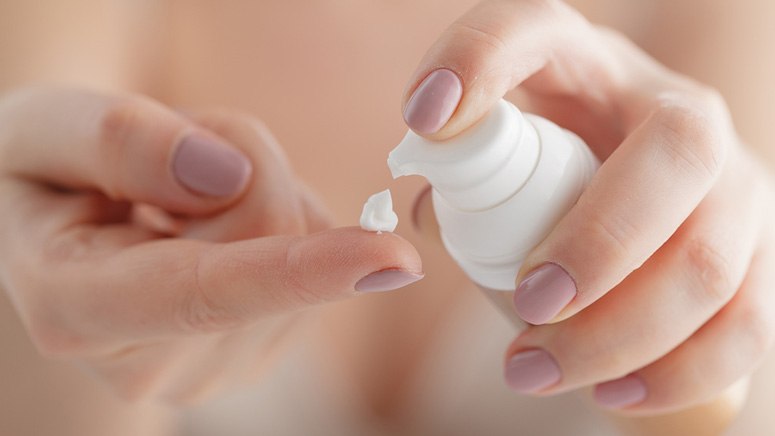
Treatments for seborrheic dermatitis of the face and body include topical antifungals, corticosteroids and calcineurin inhibitors.
Topical antifungals are ciclopirox, ketoconazole or sertaconazole. These products, available in creams, foams or gels, are usually applied to the affected areas twice daily for up to eight weeks and then as needed.
Examples of Topical corticosteroids are betamethasone valerate, desonide, fluocinolone or hydrocortisone. These products come in creams, lotions, foams, gels, ointments, oil or solution. They are used once or twice a day. Your doctor might prescribe these products if antifungal products aren’t helping in clearing your seborrheic dermatitis or for treating flare-ups. Corticosteroids can cause thinning of your skin and should not be used continuously for weeks and months at a time without a pause.
Topical calcineurin inhibitors can replace corticosteroids. These products include pimecrolimus cream (Elidel®) or tacrolimus ointment (Protopic®). They are applied to the affected area twice daily. If your case is serious, your healthcare provider may prescribe an oral (pill) antifungal agent or phototherapy (a specific wavelength of ultraviolet light to decrease inflammation in the skin).
Ask your doctor about the side effects of these medications and what to watch for. You must follow your doctor’s instructions about how to use these drugs. You and your doctor will work closely together to choose products and create a treatment plan that will be most helpful to treat your unique case of seborrheic dermatitis.