
Improve Your Sleeping Habits
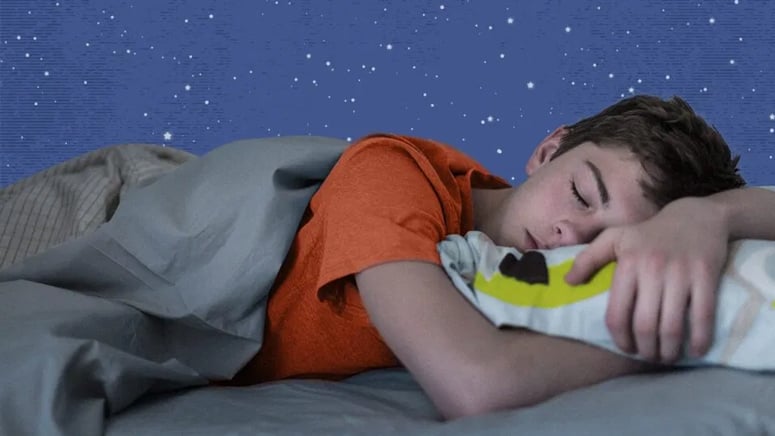
Many people find that when they are tired, their tics worsen or at least become more common. A restful night’s sleep can influence outcomes. Since sleep problems are a hallmark of ADHD, this can be particularly difficult for those who have the condition.
Some ADHD drugs can help you sleep, or you might want to discuss adding melatonin to your nightly routine with a healthcare provider.
Conclusion
Although ADHD doesn’t produce tics on its own, many ADHD sufferers often have another illness that does. ADHD and tic disorders, such as Tourette syndrome, can coexist. OCD and autistic spectrum disorders, which can also result in tics and repetitive motions, frequently coexist with ADHD. Immediate treatment is the best way to prevent any complications that can occur. It is best to discuss with your doctor once you notice any symptoms.
Reference:
[1] https://www.nhs.uk/conditions/tourettes-syndrome/
[2] https://www.cdc.gov/ncbddd/adhd/index.html
[3] https://www.webmd.com/mental-health/understanding-obsessive-compulsive-disorder-symptoms
[4] https://www.fda.gov/
[5] https://www.simplypsychology.org/psychotherapy.html