
Urine Retention

This refers to the incomplete voiding of urine. After urinating, urine is still retained in the bladder.
In some cases, there may be fever, nausea, and vomiting. This is rare in cases of lower urinary tract infections like a bladder infection but is very common with upper urinary tract infections like a kidney infection.
Children Normal Symptoms
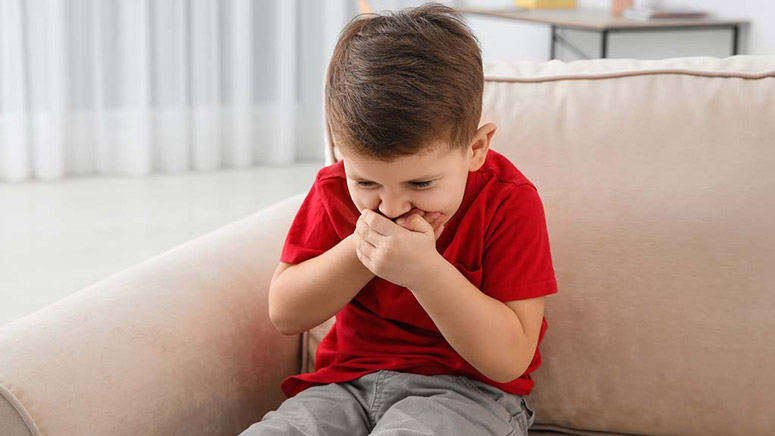
In children, the normal symptoms may not be noticed but there may be some non-specific symptoms that simply point out that all is not right with the child. Some of those symptoms include;
- Failure to thrive: there may be a noticeable difference in the growth pattern and development of the child. While this may not be a specific pointer to a bladder infection, it could be one of the only few signs to notice.
- Loss of Appetite: the child may begin to refuse food or may no longer eat as much as before. This is a common sign of ill health in children and should be taken seriously.
- Irritability: a normally happy child would begin to cry incessantly and get irritated by the slightest things as a result of the discomfort caused by the ongoing infection.
- Vomiting: the child may begin to vomit and show signs of a fever. Vomiting is not specific to any disease condition and so when a child begins to vomit, everything is considered, including a bladder infection.
- Strong Smelling Urine: this might be the only significant pointer to the problem in the urinary tract. The child’s urine may begin to smell stronger. This can be observed after taking off soiled diapers.
- Abdominal Pain: this may not be easily detected in infants. They may only get irritable and refuse food. However, in older children, there may be complaints of abdominal pain that refuses to go away.
Much older children may experience urinary frequency, urgency, incontinence, pain while urinating, and other general symptoms.
A bladder infection can be treated effectively using medical treatments. Some home remedies are also helpful in relieving the symptoms and help in keeping the patient comfortable.
When a bladder infection is neglected or treated poorly, it can go up and affect other parts of the urinary system. The infection can get to the kidneys causing a kidney infection. In some cases, the infection can get to the bloodstream leading to sepsis which can be life-threatening. Regular voiding, proper bowel habits, and adequate fluid intake can help prevent a bladder infection.
Reference:
[1]https://www.webmd.com/women/guide/your-guide-urinary-tract-infections
[2]https://emedicine.medscape.com/article/217485-overview