
Other treatments
In severe cases of OAB where the basic treatments fail, doctors may recommend surgery. Types of possible surgery include:
- Augmentation Cystoplasty [4]: Bladder augmentation is a procedure that involves using parts of the bowel to increase the capacity of the bladder. Or create a urinary diversion, an alternate route for bladder damage in case of severe and complicated OAB.
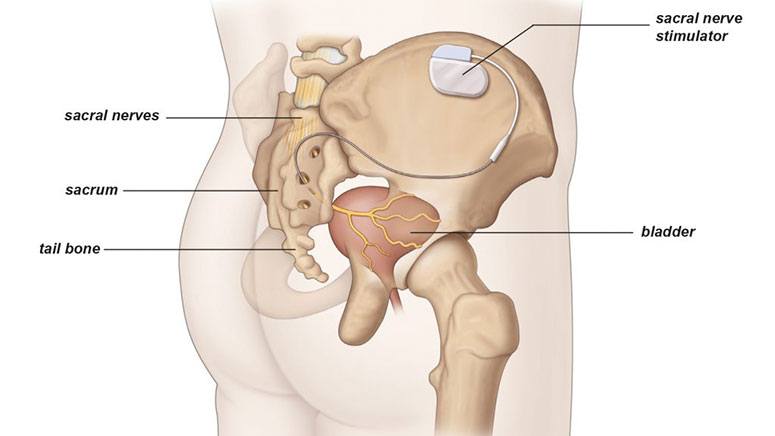
- Sacral Nerve stimulation: This surgery involves implanting a small device, similar to a pacemaker under the skin. The device is connected to a wire that sends small electrical pulses to nerves surrounding the pelvic floor that control the bladder muscles. This surgery is effective in building bladder control, but it keeps you from having a spinal MRI [5].
- Percutaneous tibial nerve stimulation: In this surgery, your doctor will place a needle on nerves near the ankle that affect bladder control. You will need to have a session with your doctor once every week for 3 months and your doctor will also prescribe maintenance treatment. This procedure is done in the office.
An overactive bladder can be controlled. With a little time, patience, and the right treatment you can regain control and relief. Allow your doctor to determine the best treatment for you and stick to it. If you do you increase the chances of your condition improving on time.
Conclusion
Overactive Bladder can vary from mild to severe. It is a serious condition that affects your everyday life and can be unbearable. Fortunately, there are ways it can be treated, the most common of which is bladder training and pelvic exercise. Treating OAB would require patience, as it takes time to see improvement. It is important that you discuss with your doctor the best and most suitable treatment approach for you.
References
[1] https://www.mayoclinic.org/diseases-conditions/overactive-bladder/diagnosis-treatment/drc-20355721
[2] https://www.mayoclinic.org/healthy-lifestyle/womens-health/in-depth/kegel-exercises/art-20045283
[3] https://www.medicalnewstoday.com/articles/323514
[4] https://emedicine.medscape.com/article/443916-overview
[5] https://www.nhs.uk/conditions/mri-scan/