
Causes of bulging discs
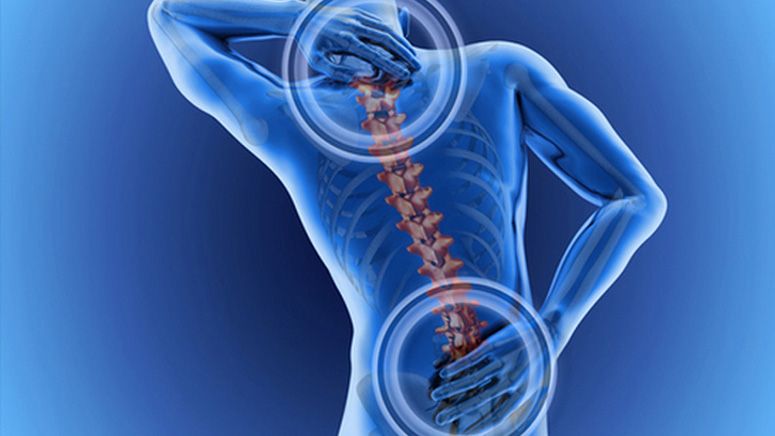
The spine is composed of several linked bones. These are vertebrae, which guard the spinal cord, the soft tissues, and the nerves that pass through the spine.
To keep their adaptability, the connective disc divides each vertebra, according to a reliable source. Strong elastic tissues make up these spinal discs.
The spinal discs enlarge or contract as the spine bends or rotates to support the motion and prevent bone-on-bone contact.
Dislodged spinal discs can occur. Lower back pain is most typical in this region. It can, however, also happen in the upper back, where it might result in a protrusion into the spinal canal. It may result in a herniated disc [2] in more severe circumstances.
The disc is described as herniated and bulging. Some individuals liken a herniated disc to a tyre blowout, while others liken a bulging disc to a tyre that is going flat.
Each disc has an exterior layer that surrounds a soft interior material that keeps the disc’s structure intact.
When the outer layer of the disc is damaged, the inside material leaks out, resulting in a herniated disc. Trauma that occurs suddenly or over time is one of the causes of bulging or herniated discs.
Poor posture and using inappropriate form when lifting weights are two things that can lead to long-term harm.