
What are the Causes of Internal Bleeding?
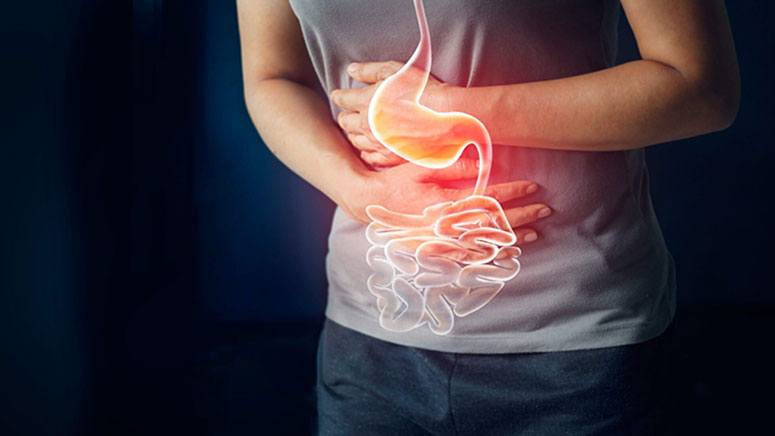
Identifying the cause of internal bleeding is vital for ensuring proper treatment is administered. If you are involved in an accident or got involved in a recent injury, then your internal bleeding is mostly caused by that event. It is easier to identify the cause if you have a condition that can cause internal bleeding, such as gastritis.
It is difficult to determine the cause of some cases of internal bleeding. Your doctor may have to recommend thorough physical tests and regular checkups.
- Blood vessel injury: Minor blood vessel tears may occur if you sustain an injury.
- Clotting factors: Whenever you sustain an injury, your body starts to produce proteins, called clotting factors, to reduce or stop bleeding if you are cut. Inability of your body to produce enough clotting factors can result in internal bleeding.
- Certain drugs: Drugs such as blood thinners can reduce or stop clotting and cause severe bleeding. Also, over-the-counter drugs such as aspirin [5] can weaken the lining of your stomach if you just sustained an injury.
- Chronic high blood pressure: Elevated blood pressure can damage blood vessel walls. Weak walls may then lead to aneurysms that can rupture and bleed.
- Inherited bleeding conditions, such as hemophilia [6], which stops your blood from clotting can cause internal bleeding. A small injury can result in excess loss of blood in people with hemophilia.
- Gastrointestinal (GI) conditions can cause bleeding in your stomach or abdomen. GI diseases that cause internal bleeding include peptic ulcers, esophagitis, gastritis, Crohn’s disease [7], colon polyps, and colitis.
- Endometriosis, a condition that occurs when endometrium-like tissue develops outside the uterus in places like the abdomen, bowel, and ovaries. The uterus will lose its lining and cause bleeding in other parts of the body, like the pelvis. To diagnose endometriosis, your doctor will recommend biopsies, an MRI, a CT scan, and an ultrasound.
- Certain lifestyles, like taking alcohol, illicit drugs, and smoking can cause inflammation in the lining of your stomach and cause internal bleeding.
Internal bleeding may occur due to more serious cases, like:
- Trauma: Experiences such as car accidents, falls, and a heavy object landing on you can damage your organs, bones, and blood vessels. Internal bleeding can occur without any cut in the skin.
- Aneurysms
occur when weak blood vessel walls bulge and form a pocket where blood can accumulate. Aneurysms are not usually accompanied by symptoms, but a burst aneurysm can be life-threatening. - Most cases of broken bones do not result in internal bleeding. However, breaking your body’s larger bones, like the femur can cause serious internal bleeding.
- Ectopic pregnancy is a type of pregnancy that occurs outside the uterus. As the fetus grows, it can puncture a blood vessel and cause internal bleeding. Ectopic pregnancy can lead to death if it is not treated on time m.
- Surgery: Doctors always ensure they stop all bleeding
before they finish a procedure. If your doctor misses something, bleeding may persist even after the incision is closed. The bleeding may get severe if it is not noticed on time.
Every cause listed above can lead to life-threatening situations if they are not treated on time. So, it is important to get medical attention immediately if you experience any symptoms of the condition.