
Diagnosis of SI Joint Dysfunction
Your doctor will ask about your medical history, including any past inflammatory illnesses or conditions. Other diagnostic exams consist of:
- Movement tests and physical examination – The spine’s rotation and alignment are checked during the physical examination. You are positioned or instructed to move in particular directions throughout various physical movement tests. Your sacroiliac joint, spine, hip, or leg may be compressed during some of these examinations by the physician. The more tests that are positive, the more likely you are to have sacroiliitis (bring on the agony).
- Imaging tests –If the doctor suspects an injury as the cause of the discomfort or wants to check for changes in the sacroiliac joint, imaging tests such as X-rays [4], CT scans [5], and/or MRI scans [6] may be prescribed.
- Blood tests – Blood tests check for inflammation-related indicators.
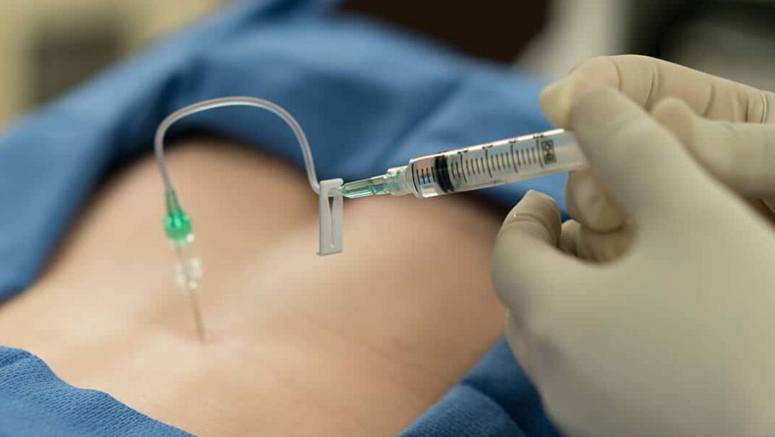
- Steroid injection – If it relieves pain, an injection of steroids into the sacroiliac joint serves as both a diagnostic test and a form of treatment. X-rays are used during this surgery to direct the spinal needle to the proper spot for the injection.