
Therapy for advanced EGFR lung cancer
EGFR lung cancer can become a lot more severe such that it becomes resistant to a drug that has been working. When that happens, your doctor may switch to another approved treatment. Additional testing for biomarkers may open the door to more options.
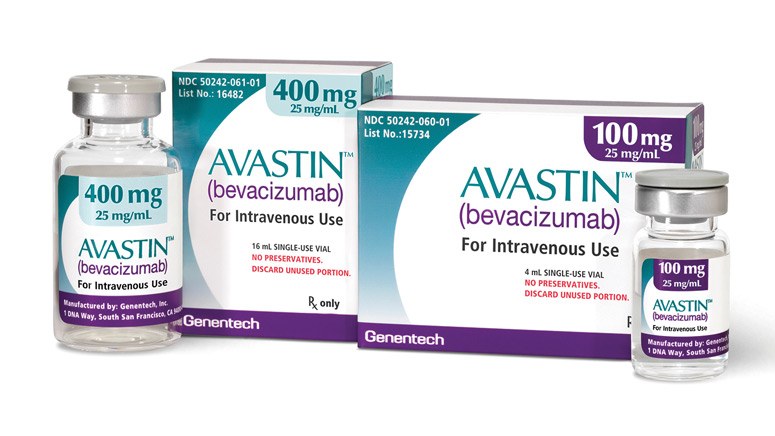
In advanced NSCLC, erlotinib can be combined with an angiogenesis inhibitor. These drugs block the growth of new blood vessels that help fuel cancer. They are:
- bevacizumab (Avastin)
- ramucirumab (Cyramza)
These monoclonal antibodies can also be combined with chemotherapy.
An EGFR inhibitor called necitumumab (Portrazza) is used to treat squamous cell NSCLC. This is also a monoclonal antibody, but it’s given by IV infusion. It can be used alongside chemotherapy in advanced squamous cell NSCLC.
Some side effects associated with EGFR inhibitors include:
- diarrhea [5]
- loss of appetite
- mouth sores
- rash on the face and chest
- skin infections
When the cancer is diagnosed in later stages, the goal of treatment is to slow disease progression and improve quality of life.