
Diagnosis of Liver Cancer
If during your physical examination your doctor notices any of the signs and symptoms of liver cancer, they may have a suspicion that you have the disease. To find out more, they could request the following tests:
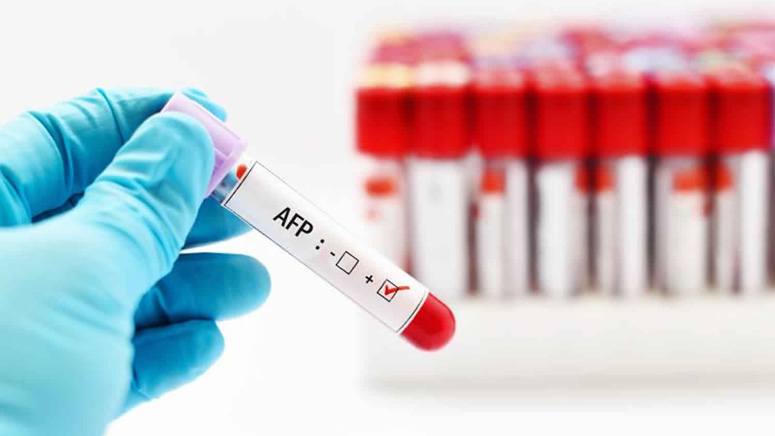
- Blood testing: Doctors may perform blood tests for cancer, such a liver function test, to look for liver enzymes, proteins, and other substances that indicate whether your liver is healthy or damaged. A test for AFP might be performed. A high AFP level could be a sign of liver cancer.
- Ultrasound: This procedure produces images of the soft tissue structures within your body. Ultrasound is a tool that doctors use to check for liver tumors.
- The magnetic resonance imaging (MRI) exam uses a powerful magnet, radio waves, and a computer to produce extremely clear images of your body.
- Computed tomography (CT) scan: This specialized form of X-ray creates comprehensive images of your liver and provides details on the size and location of liver tumors.
- An angiogram: This is a test that aids medical professionals in examining the blood arteries in your liver. Your healthcare provider administers dye during this test so they can monitor blood vessel activity and check for blockages.
- Biopsy: Medical professionals take liver tissue and examine it for indications of malignancy. The most accurate method for diagnosing liver cancer is through biopsies.
If your healthcare professional suspects you may have IHC, they might do the following tests:
- Endoscopic retrograde cholangiopancreatography (ERCP): ERCP looks into your bile ducts using an endoscope and a catheter (thin, flexible tubes).
- Percutaneous transhepatic cholangiography (PTC): Similar to an ERCP, a PTC produces X-rays of your bile ducts. Your healthcare professional administers contrast dye by penetrating your bile ducts and liver with a needle, as opposed to using an endoscope and catheter. Those who cannot get an ERCP typically only qualify for a PTC.