
Control of Infectious Agents
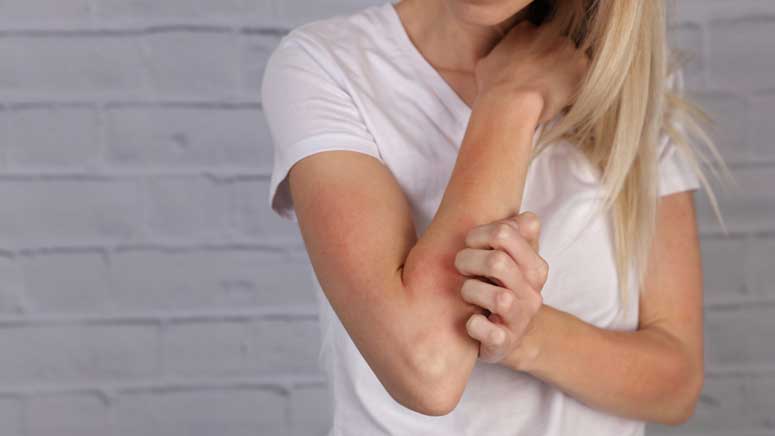
In most cases, the secondary infection is caused by S.aureus, followed by S.pyogenes, and others have mixed cultures. The infection is manifested by erythema with exudate and melicheric scabs, but there may be pustules on the dermatitis plaques. Treatment includes local cleaning with topical antiseptics [9] and administration of topical antibodies (such as mupirocin and fusidic acid) or systemic antibiotics (cephalexin or amoxicillin with clavulanate), with coverage for S. aureus, depending on the extent of the lesions. Prophylactic or long-term use of antibiotics is not recommended.
References:
[1] https://www.healthline.com/health/atopic-dermatitis/severe-eczema-treatments#wet-dressings
[2] https://www.mayoclinic.org/diseases-conditions/atopic-dermatitis-eczema/diagnosis-treatment/drc-20353279
[3] https://www.healthline.com/health/atopic-dermatitis/severe-eczema-treatments#wet-dressings
[4] https://www.healthline.com/health/natural-remedies-to-reduce-eczema-symptoms#oatmeal
[5] https://www.nationaljewish.org/conditions/eczema-atopic-dermatitis/eczema-treatment
[6] https://www.nationaljewish.org/conditions/eczema-atopic-dermatitis/eczema-treatment
[7] https://www.healthline.com/health/atopic-dermatitis/severe-eczema-treatments#calcineurin-inhibitors
[8] https://www.healthline.com/health/atopic-dermatitis/severe-eczema-treatments#light-therapy
[9] https://www.nationaljewish.org/conditions/eczema-atopic-dermatitis/eczema-treatment