Medications

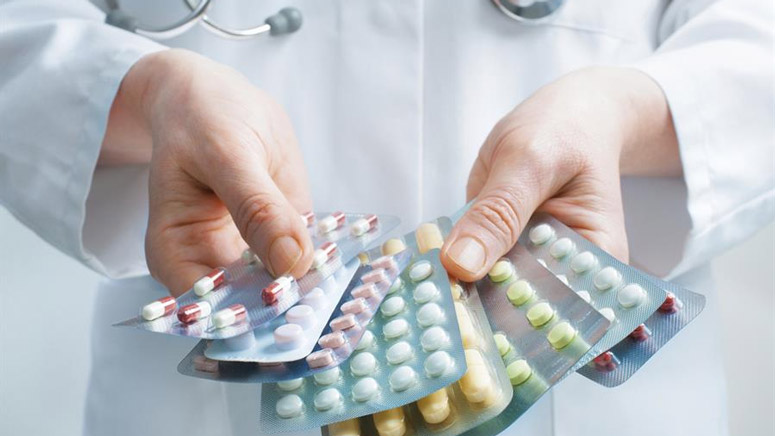
- Certain medications can increase the risk of developing gout. They include;
- Daily low dose aspirin
- Levodopa
- Niacin or Vitamin B-3
- Immunosuppressant drugs like Cyclosporin, etc.
Gout is a medical condition characterized by swelling, severe pain attacks, and inflammation of the human joints. It’s a type of arthritis that has affected approximately 8.3 million people in the United States of America. [1] When there are high uric acid levels in the blood, it causes the condition ...
Gout is a type of arthritis disease characterized by redness, tenderness in joints, and severe pain. It is a general term that describes a wide range of conditions caused by a buildup of uric acid in the body. [1] Uric acid is a product of purines, which is a part ...
Uric acid is a normal and natural byproduct formed by the breaking down of purines by the body. Purines are found in specific types of food, and they come up when cells die and go apart. Examples of some of the food containing purines are sardines, dried beans, meat, and ...
The kidney is a vital organ of the body and needs to be in good condition to function well. The organ helps to filter the blood by removing waste, toxins, and extra fluids. Other functions of the kidney are that they help regulate blood pressure, stimulate the production of red ...
Overview Prediabetes [1] means an individual has a higher-than-normal blood sugar level. The condition may not be enough to be regarded as type 2 diabetes, but without significant lifestyle changes, individuals with prediabetes may develop type 2 diabetes. Individuals with prediabetes may begin to experience the long-term damage of diabetes, ...
Hypothyroidism is a condition marked by having an underactive thyroid. It is a glandular disorder where the body does not produce enough thyroid hormones to meet the body’s needs. The thyroid gland is found in the front part of the neck, below the larynx. It has a lobe on each ...
It is almost impossible to judge high cholesterol [1] visually or by touch. For a long time, you do not even suspect an excess in the blood of a substance that slowly destroys the body. First, “bad” cholesterol sticks to the walls of blood vessels and then grows to fatty ...
Hyperthyroidism, known as overactive thyroid is the overproduction of the thyroxine hormone, which controls metabolism. [1] This disease affects a small gland that is located in the neck known as the thyroid gland. This condition cannot be self-diagnosed, so it is best to see a doctor for a proper diagnosis. ...
Get our latest news & tips and always stay healthy!