
Leukemia Treatments
The treatment you receive depends on the type of leukemia you have, how far it’s spread, and how healthy you are. The major treatment methods are:
- Chemotherapy
- Radiation
- Biologic therapy
- Targeted therapy
- Stem cell transplant
- Surgery
Chemotherapy involves using drugs to kill cancer cells in your blood and bone marrow. You can receive the drug:
- Through a shot into a vein or muscle
- As a pill
- Into the fluid around your spinal cord
Radiation uses high-energy X-rays to destroy leukemia cells or stop them from growing. You can receive it all over or in only one part of your body where there are a lot of cancer cells.
Biologic therapy is also known as immunotherapy, and it helps your immune system find and attack cancer cells. Medications like interleukins [3] and interferon can help enhance your body’s natural defenses against leukemia.
Targeted therapy uses drugs to block specific genes or proteins that cancer cells require to develop. This treatment can stop the signals that leukemia cells use to grow and divide, cut off their blood supply, or kill them directly.
A stem cell transplant replaces the leukemia cells in your bone marrow with new ones that produce blood. Your doctor can get the new stem cells from your own body or from a donor. First, you’ll receive high doses of chemotherapy to destroy the cancer cells in your bone marrow. Then, you’ll get the new stem cells through an infusion into one of your veins. They will develop into new, healthy blood cells.
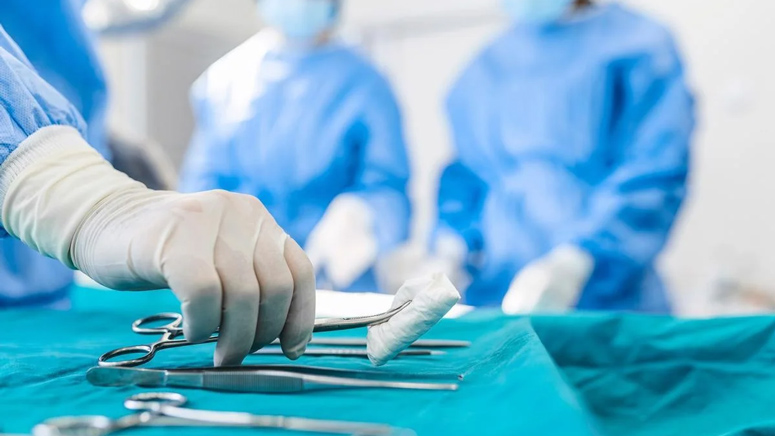
During surgery, your doctor may remove your spleen if it’s filled with cancer cells and is pressing on nearby organs. This procedure is called a splenectomy.
How the body reacts to treatment for acute myeloid leukemia (AML) is different for everyone. The reaction depends on what type of treatment you get, the dose and how long your therapy lasts. You should consider other factors and learn how to manage issues that occur.