
Treatment in children and teenagers
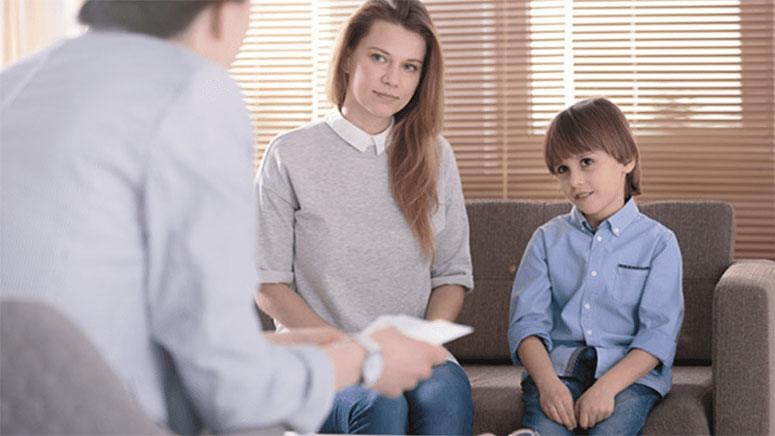
Treatments given to children and teenagers are mainly decided on a case-by-case basis, depending on the symptoms, side effects of the drug, and other factors. These treatments are:
Medications
Children and teenagers are usually given the same type of drugs as adults. Inadequate research has been done on the safety and potency of bipolar medications in children, unlike in adults. Therefore, treatments given to children are based on adult research.
Psychotherapy
First and long-term therapy is used to prevent exacerbation of the condition. Psychotherapy can help children and teenagers manage their routines, enhance coping skills, address learning difficulties, solve social challenges and strengthen family bonds and communication.
Psychotherapy can also be used to treat teenagers with substance abuse problems.
Psychoeducation
This involves learning the symptoms of bipolar disorder and their relationship with other behavior-related diseases. Parents are advised to learn and have adequate knowledge about bipolar disorder to help their children.
Conclusion
It is possible to reduce the severity of mood episodes if it is observed early. Bipolar disorder can occur for a lifetime, but it doesn’t have to disrupt the progress of your life.
References
[1] https://www.mayoclinic.org/diseases-conditions/depression/symptoms-causes/syc-20356007
[2] https://kidshealth.org/en/parents/adhd.html#:~:text=ADHD%20stands%20for%20attention%20deficit,at%20home%2C%20and%20in%20friendships.
[3] https://medlineplus.gov/druginfo/meds/a682412.html
[4] https://www.webmd.com/bipolar-disorder/guide/antipsychotic-medication
[5] https://www.drugs.com/symbyax.html
[6] https://www.psychiatry.org/patients-families/anxiety-disorders/what-are-anxiety-disorders#:~:text=Anxiety%20is%20a%20normal%20reaction,involve%20excessive%20fear%20or%20anxiety.