
Treatment for postpartum depression
If you start to notice symptoms of postpartum depression, you should immediately contact a healthcare professional as soon as possible to start treatment. There are various treatment options for postpartum depression, such as medication, certain forms of therapy, and support groups. Typically a combination of medication and therapy is the most effective treatment.
Medications for postpartum depression
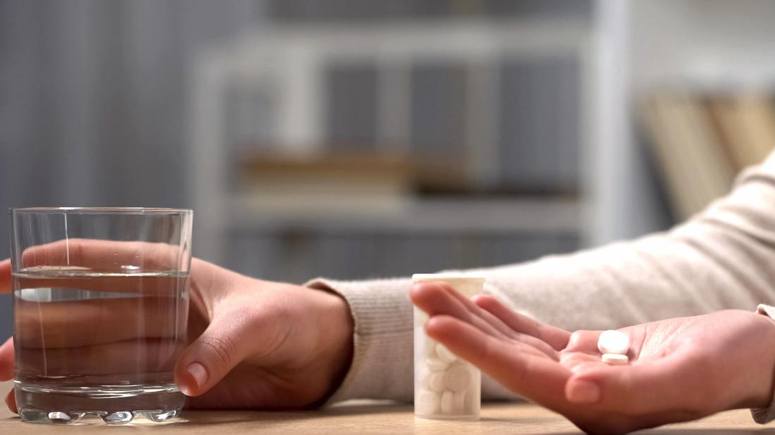
Antidepressants are the most common type of medication for postpartum depression. They are effective in relieving symptoms of depression, but they take time. Usually 6 to 8 weeks to start working fully.
You may need to try medications before finding one that works for you and has manageable side effects.
- Selective serotonin reuptake inhibitors (SSRIs): these are common antidepressants medications. They have fewer side effects than other antidepressants.
- Atypical antidepressant: These medications are targeted at several neurotransmitters in the brain that affect mood. They are used when your depression does not respond to SSRIs. Examples include bupropion (Wellbutrin), trazodone (Desyrel), and nefazodone (Serzone).
- Tricyclic antidepressants and monoamine oxidase inhibitors. These are also antidepressants that are less common. They belong to older classes.
- Brexanolone: This type of medication needs to be administered by a healthcare professional through an IV over the course of 60 hours. Doctors often recommend brexanolone for patients who do not respondTrusted Source to other treatments.
There are side effects to all antidepressants, but they vary in severity. Side effects include agitation or anxiety [1], headaches, and digestive issues.
Chestfeeding people have options of medication. Your doctor will help decide which is most safe.