
Diagnosis
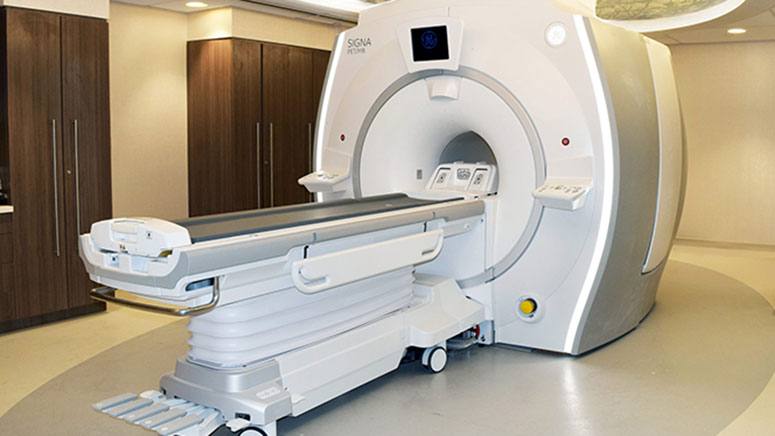
In most cases, you may have schwannoma for several years before getting diagnosed. This is because they grow slowly and may not show any symptoms at the early stages. If you’re expecting symptoms, your healthcare provider will likely order imaging tests. They may also accidentally find a schwannoma when reviewing imaging test results you had for another medical reason.
Some tests that can help with schwannoma diagnosis include:
- Magnetic resonance imaging (MRI): MRI is a painless test that produces very clear images of the organs and structures within your body using a large magnet, radio waves and a computer to produce detailed images. This is the preferred imaging test for locating and diagnosing schwannomas.
- Computed tomography (CT) scan: A CT scan involves the use of X-rays and computers to produce images of internal organs and inside of your body.
- Electromyogram (EMG): This test involves your doctor placing small needles in your muscles so an electromyography instrument can record the electrical activity in your muscle while you try to move it.
- Ultrasound: Ultrasound involves the use of high-frequency sound waves to create real-time pictures or videos of internal organs or other soft tissues. Your doctor will use ultrasound to detect schwannomas under your skin.
To check if the tumor is schwannoma, your healthcare provider may perform a biopsy. This involves taking a small sample from the tumor with a needle and sending it to the lab for an expert called a pathologist to study cells from the sample under a microscope. Other tests may also be done to see what kind of tumor it is.