
What Are the Symptoms of Leishmaniasis?
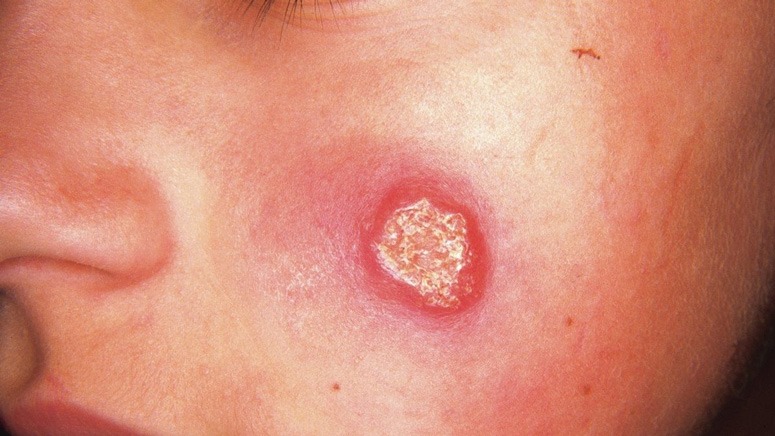
Symptoms of leishmaniasis may not occur for a few weeks after contaminating the parasite. In some case, you may carry certain species of leishmania for long periods without feeling sick. The symptoms you experience depend on the type of disease.
Let’s take a look at the symptoms of each type of the condition:
Cutaneous leishmaniasis
The major symptom of cutaneous leishmaniasis is painless skin ulcers. The symptoms may occur a few weeks after you get bitten by an infected sand fly. However, in some cases, some symptoms may not appear until a few months or years.
Mucocutaneous leishmaniasis
Symptoms of mucocutaneous leishmaniasis usually appear one or five years after skin ulcers [1], which may occur in mouth, nose, or lips.
Other symptoms that accompany this form of leishmaniasis include:
- Runny or stuffy nose
- Nosebleeds
- Difficulty breathing [2]
Visceral leishmaniasis
In visceral leishmaniasis, the symptoms don’t appear until months after the bite. In most cases, symptoms start to occur two to six months after the infection occurs. You may experience the following symptoms if you develop visceral leishmaniasis:
- Swollen lymph nodes [3]
- Weakness
- Enlarged spleen [4]
- Enlarged liver [5]
- Fever [6] that persists for weeks or months
- Decreased production of blood cells
- Bleeding
- Weight loss
- Other infections