
How to Treat Leishmaniasis?
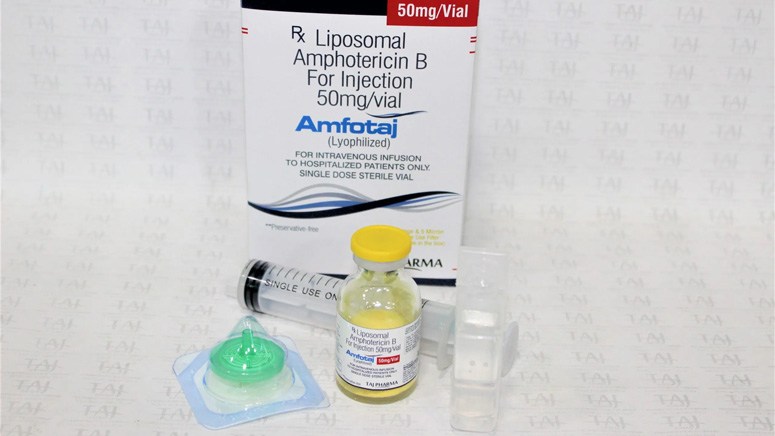
Doctors usually prescribe anti-parasite drugs, like amphotericin B (Ambisome) to treat leishmaniasis. Your doctor may recommend other treatments depending on the type of leishmaniasis you have.
Cutaneous leishmaniasis
Cutaneous leishmaniasis usually heals without treatment. However, your doctor may recommend certain antiparasitic drugs to speed up healing, reduce scarring, and decrease your risk of health complications. Any skin ulcer that changes the appearance of the skin.
Your doctor may also recommend other therapies to help with cutaneous leishmaniasis, such as:
- Thermotherapy: This usually involves applying heat to an ulcer and the area around the affected skin.
- Cryotherapy: This involves cooking the ulcer and the area around it for 10 to 30 seconds.
- Laser therapy: This involves using a handheld device to apply a laser to an ulcer and the area around it.
Mucocutaneous leishmaniasis
Unlike cutaneous leishmaniasis, these lesions don’t heal naturally. They always need treatment. Liposomal amphotericin B and paromomycin [7] can help treat mucocutaneous leishmaniasis.
Visceral leishmaniasis
Visceral leishmaniasis always needs treatment. Doctors may recommend certain drugs, such as miltefosine (Impavido), sodium stibogluconate (Pentostam), amphotericin B, and paromomycin.