
Surgery
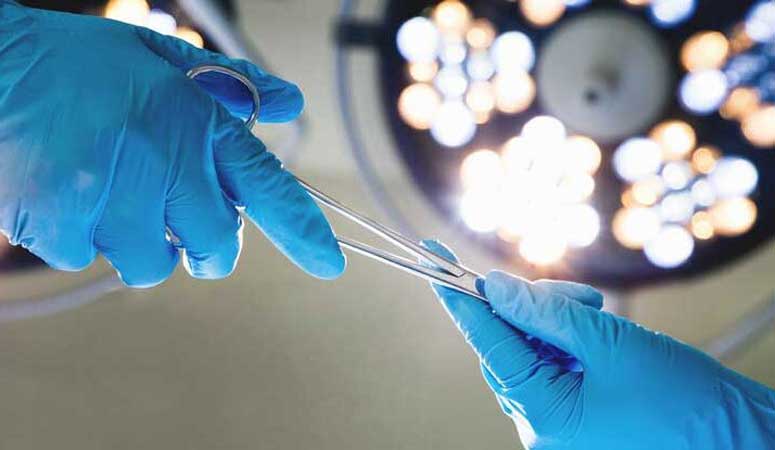
In some cases, surgery [5] is needed to remove the sources of infections. For example, surgery can help in removing the accumulation of pus (abscesses) or infected tissues. After initial resuscitation and antibiotic therapy, it is advised that patients with focal infections should be sent for definitive surgical treatment.
A Medscape review states that some conditions won’t respond appropriately to treatments for septic shock until the source of the infection is surgically removed. Apart from abscesses, other infections that could require surgical procedures include mediastinitis, cholangitis, and pyelonephritis, renal abscess from ureteric obstruction, septic arthritis, and empyema.
Conclusion
In severe sepsis cases, large amounts of IV fluids may be required, and a respirator for easy breathing. If the kidneys are infected, dialysis may be crucial because it is important for filtering harmful waste from the blood.
References:
[1] https://www.ncbi.nlm.nih.gov/pmc/articles/PMC5749778/
[2] https://www.ncbi.nlm.nih.gov/pmc/articles/PMC1751559/
[3] https://www.ncbi.nlm.nih.gov/pmc/articles/PMC2738808/
[4] https://www.ncbi.nlm.nih.gov/pmc/articles/PMC4378521/
[5] https://www.cdc.gov/sepsis/diagnosis/index.html