
Castor Oil
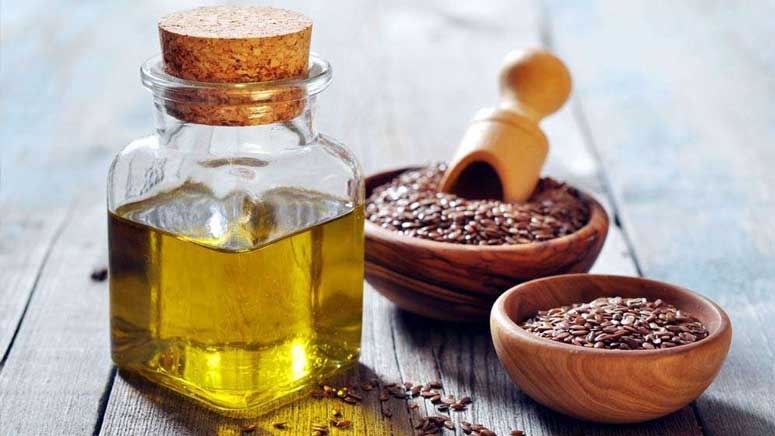
There is a compound found in castor oil called ricinoleic acid [4] (a fatty acid), which acts as a natural but potent anti-inflammatory. It also has strong antibacterial properties which makes it a great way to treat boils. Castor oil is produced from the castor bean plant. However, there is no scientific proof to show that castor oil does these things.
You can apply a little amount of castor oil directly to the boil at least 2 times a day until the boil is gone.
Neem Oil
Neem oil is also called Indian lilac. It is produced from the fruits and seeds of an evergreen tree discovered in India.
It has antiseptic, antimicrobial, and antibacterial attributes, so it can be added to soaps, lotions, bug repellants, and creams that can treat skin infection (even boils).
People are advised not to ingest neem oil because it is toxic. Rub it directly on the boil at least three or four times a day. Neem oil has a pungent smell, so you should be careful when using it. Remember to wash your hands before and after using them.
There is not much proof to confirm the effect of neem oil on boils. However, applying an oil-based brand on your skin can prevent drainage of boils and cause increased clogging of hair follicles. [5] Doctors say oil-based products can lead to breakouts if you are acne-prone.