
How to Treat and Manage Keratosis Pilaris
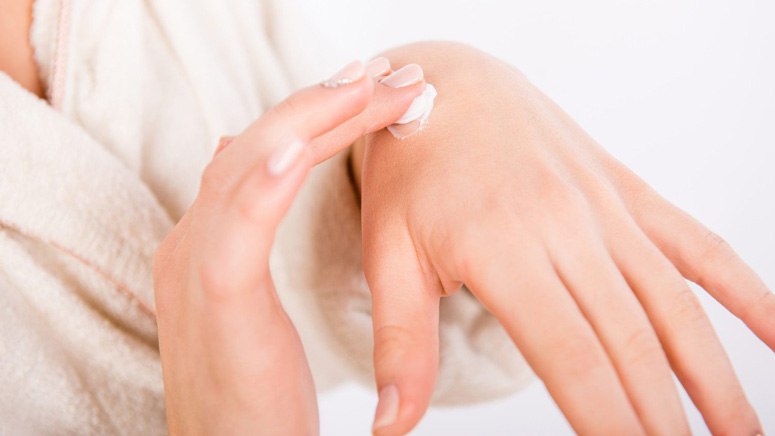
There’s no known cure for keratosis pilaris. Studies have shown that the condition goes away on its own. However, there are various treatment methods that can help manage the symptoms. Keratosis pilaris is a treatment-resistant condition, so it may take months for you to see any improvements.
Dermatological treatments
Your dermatologist may recommend a moisturizing treatment to reduce itchy, dry skin. Dermatological treatments will also help improve your skin’s appearance and reduce the rash. Your healthcare provider may recommend over-the-counter drugs and prescription topical creams to remove dead skin cells or stop clogging of hair follicles. Contact a dermatologist to help discover the best treatment for you.
Urea and lactic acid are common constituents of most moisturizing creams. These ingredients work together to loosen and remove dead skin cells and soften dry skin. Your dermatologist may recommend other treatment methods including:
- Chemical peels
- Microdermabrasion, an intense exfoliating treatment
- Retinol creams
It is important to check the ingredients in moisturizing creams before using them. Speak with your healthcare provider before using them. You may experience side effects if you use prescription topical creams that contain acids. Some of these creams include:
- Dryness
- Redness
- Stinging
- Irritation
Your dermatologist may try some experimental treatment options, such as vascular laser treatment and photopneumatic therapy.