
Ostomy
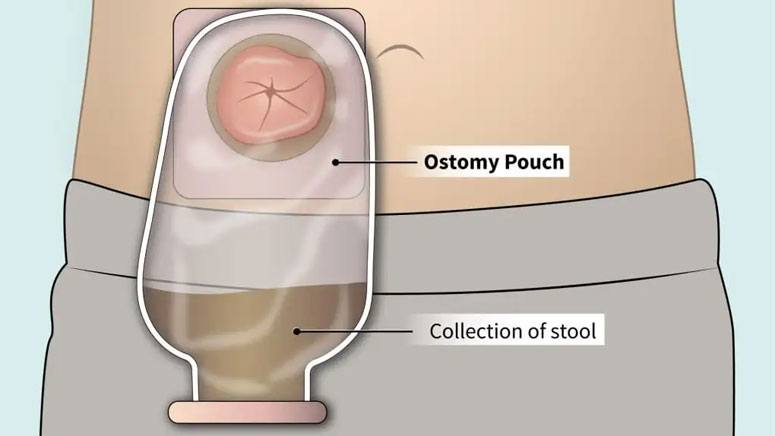
This surgery is usually recommended for people with more severe complications such as megacolon, or Hirschsprung-associated enterocolitis. The primary purpose of an ostomy is to give the intestine time to heal. In some cases, your doctor may recommend the Moro editor before performing a pull-through procedure.
During an ostomy, a surgeon creates a stoma that is connected to the small or large intestine depending on the type of Hirschsprung disease you have. This will allow waste to pass out of the body through the stoma totally evading the rectum. Ostomy usually offers temporary solutions until the intestines heal enough to do a pull-through procedure. Some children may experience new issues such as diarrhea, incontinence (inability to control urination or bowel movements). Some people may get enterocolitis, which is usually accompanied by several signs, such as swollen abdomen, vomiting [5], fever [6], and bleeding. It is important to take your child to the hospital immediately if they experience any of these signs.
However, with proper care, like a good diet or plenty of water, these conditions may reduce and most children will be able to experience normal bowel movements within a year of treatment. Other children may experience bowel issues till they get into adulthood. Hirschsprung’s disease is a congenital condition, so it has to be monitored throughout life.
It would help to know that certain health complications such as enterocolitis, constipation, or digestive upset may occur after surgery.
How does Hirschsprung disease stool look?
The appearance of stool in people with Hirschsprung disease depends on the type and severity. For example, stool in short-segment type may be watery or small. Explosive diarrhea [7] commonly occurs in people with enterocolitis.