
Recommended methods for early detection
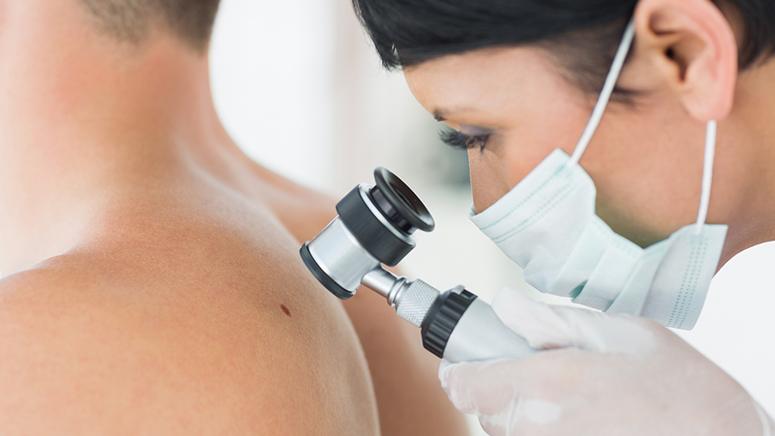
Most malignant lesions are found by patients, not by doctors. You are more likely to notice changes in your skin because you are the owner of your body. Early detection entails routine skin examinations to check for changes and analyze moles and skin.
There are some suggestions to make this procedure simpler and more reliable:
- Create a calendar or phone reminder or alarm for biannual, bimonthly, or monthly skin checks. Choose a more frequent timeframe if you have a personal or family history of skin cancer or considerable sun exposure (like monthly).
- Download a skin-checking app to assist you. The free UMSkinCheck app [2] for Apple and Android offers notifications, reminders, and instructions on how to conduct a skin cancer self-exam.
- Install a mobile app to monitor your moles and skin. Some applications can even evaluate skin changes and provide a level of caution. Typically, these are not free (and are not a replacement for seeing a dermatologist). Examples include MoleScope [3], SkinVision, and Miiskin [4], which includes a phone attachment that magnifies skin.
- Take pictures of moles to document their evolution. For maximum accuracy, take them from the same height.
Visit a dermatologist annually for skin exams in addition to at-home screening. Your physician might suggest more regular visits based on your risk factors.
For instance, your doctor might advise visits every six months if melanoma has a history in your family. Your doctor will likely want to visit you every three months if you have a personal history of melanoma.
The following risk factors may need a doctor performing more frequent skin checks:
- an ancestor who has experienced various illnesses, such pancreatic cancer [5]
- the quantity of body-wide pigmented moles you possess (a higher number of moles means a higher risk of melanomas)