
Healthy levels of blood glucose
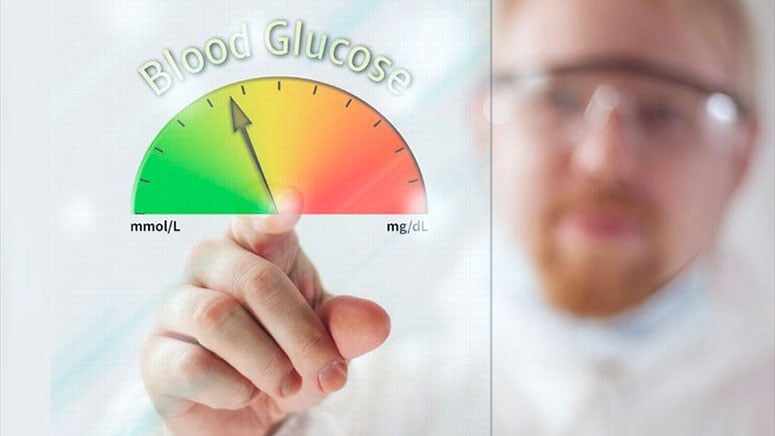
To get an accurate plasma glucose level, the patient must fast (not eat or drink anything for at least 8 hours before the test is done). When patients go to a clinic or laboratory, a little sample of blood is taken from the arm. Measuring blood glucose levels helps doctors to know if you have or are at risk for, having diabetes. Blood sugar levels for people with diabetes will vary depending on the age and time of day (tests done at bedtime ranges from 110-200 mg/dl) According to the practice recommendations of the American diabetes association, the results of the blood test are stated as follows:
Fasting blood glucose levels
If the blood glucose level is 70 to 99 mg/dl (3.5 to 5.5 mmol/L).
- What it means: the glucose level is within the normal range.
If the blood glucose level is 100 to 125 mg/dl (5.6 to 6.9 mmol/L).
- What it means: the patient has an impaired fasting glucose level (referred to as prediabetes)
If the blood glucose level is 126 mg/dl (7.0 mmol/L) or higher when tested twice or more.
- What it means: the patient has diabetes.
Values between 50 and 70are commonly observed in healthy people. The prediabetes condition puts patients at higher risk of having higher blood pressure (hypertension) and blood lipid disorders. Certain factors affect blood sugar levels such as; medical conditions, age, stress, alcohol, menstrual period, medications, physical activities, dehydration and type of food consumed, how much and when. A normal blood sugar level for anyone without diabetes or prediabetes irrespective of age should be less than 100mg/dl. It is important to know that blood sugar levels can fluctuate throughout the day, so doctors make sure they run tests more than once before concluding on anything.
Conclusion
Having high or low (hypoglycemia) glucose level can indicate the presence of an underlying medical condition that needs medical attention. Blood sugar control is important in the diabetes treatment plan. It is important to report symptoms to doctors immediately.
References
[1] https://www.healthline.com/health/glucose
[2] https://www.medicalnewstoday.com/articles/323760
[3] https://www.sciencedirect.com/topics/neuroscience/glycogen
[4] https://www.mayoclinic.org/diseases-conditions/cushing-syndrome/symptoms-causes/syc-20351310
[5] https://www.webmd.com/diabetes/type-1-diabetes
[6] https://www.healthline.com/health/eye-health/sudden-blurred-vision