
Conclusion
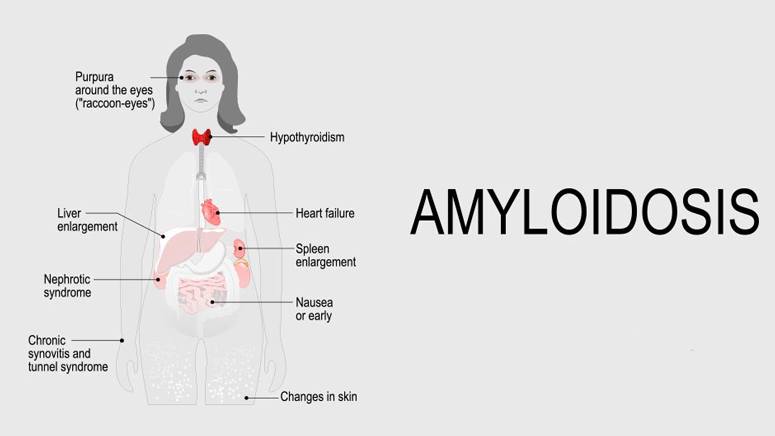
Your cells mutate and produce aberrant proteins, changing from useful multitaskers to clusters of misshapen proteins, which causes amyloidosis. Your organs and tissues may suffer potentially fatal damage as a result of these proteins. Because it can recur after treatment and because it affects people in so many different ways, amyloidosis is an unusually difficult illness. It’s difficult because it’s uncommon as well. Your healthcare professional is aware that controlling symptoms and receiving treatment are only part of living with a rare condition. Ask your clinician for assistance if amyloidosis is making you feel helpless and alone. They can suggest support groups and other services that could make you feel less isolated.
References
[1] https://medlineplus.gov/genetics/gene/ttr/
[2] https://www.mayoclinic.org/diseases-conditions/alzheimers-disease/symptoms-causes/syc-20350447
[3] https://orthoinfo.aaos.org/en/diseases–conditions/carpal-tunnel-syndrome/
[4] https://my.clevelandclinic.org/health/diagnostics/16947-echocardiogram
[5] https://www.healthline.com/health/balanced-diet