
FAQs
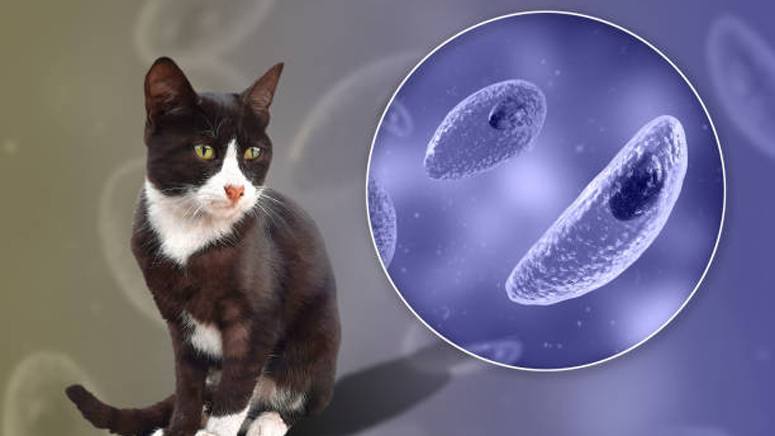
What causes toxoplasmosis?
Toxoplasmosis is commonly caused by a parasite known as Toxoplasma gondii. Studies show that it affects 1 in 10 people in the United States of America.
How do cats transmit toxoplasmosis in humans?
While toxoplasmosis can be found in virtually every endothermic animal, studies show that it can only reproduce in the intestines of cats. As a result, an infected cat can release many T. gondii cysts in feces for about two weeks. The shed can stay infectious for two years in a warm and humid environment, such as soils.
How do you contact toxoplasmosis?
Toxoplasmosis is commonly spread by consuming foods that contain T. gondii cysts or unknowingly consuming cat feces through hand-to-mouth contact. It can also be transmitted from mother to child during pregnancy. In rare cases, toxoplasmosis can be transmitted during stem cell or organ transplant.
What are normal ways of toxoplasmosis infection?
The most common route for toxoplasmosis infection is hand-to-mouth behavior. Popular routes of oral transmission include:
- Ingesting raw or undercooked meats containing T. gondii cysts (especially lamb, pork, and venison)
- Consuming raw shellfish
- Eating raw vegetables or fruits that have been contaminated with soil containing cat feces
- Ingesting unpasteurized milk, such as goat’s milk
- Touching your mouth after contact with a litter box or contaminated soil
Who is at risk of severe toxoplasmosis?
According to studies, people with a weak immune system are at a high risk of contaminating T. gondii. People with advanced HIV are less likely to control the infection due to their compromised immune system. This can result in a cascade of many severe infections of the lungs or brain. It can also lead to severe vision damage.
What birth defects does toxoplasmosis cause?
Congenital toxoplasmosis occurs when the mother transmits infection to the fetus. This increases the chances of miscarriage, stillbirth, and preterm birth.