
Diagnosis of Herniated Disk
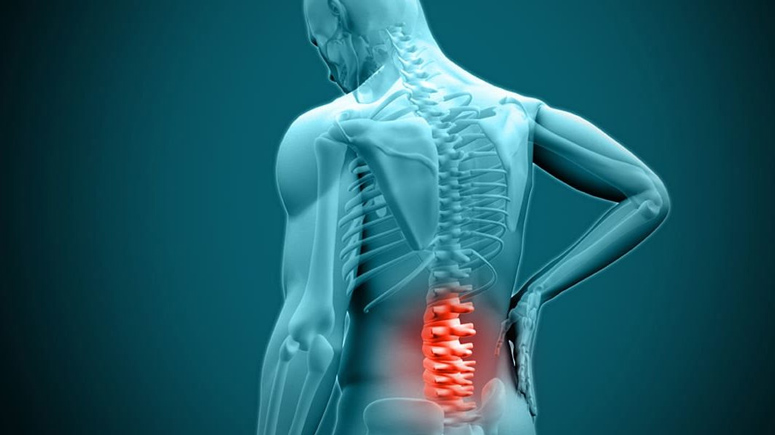
Your doctor will do a comprehensive examination. Your doctor will evaluate your discomfort, muscle reflexes, sensitivity, and muscular strength during the examination. Your doctor might also request tests like these:
- MRI: The most frequent and reliable imaging test for a potential herniated disc is magnetic resonance imaging (MRI).
- X-rays: Obtaining X-rays aids in excluding alternative causes of neck or back pain.
- CT scan: A CT scan allows you to see your spine’s bones. Your spinal cord and nerves may be compressed by herniated discs if they move into the area around them.
- Myelogram: For a myelogram, [2] a CT scan is used to guide the injection of dye into your spine. The dye can show the site of your herniated disc and a narrowing of the spinal canal (spinal stenosis).
- Electromyogram (EMG): This test includes inserting tiny needles into a variety of muscles to gauge how well your nerves are working. Which nerve a herniated disc affects can be determined with an EMG.