
Diagnosing Labral Tears
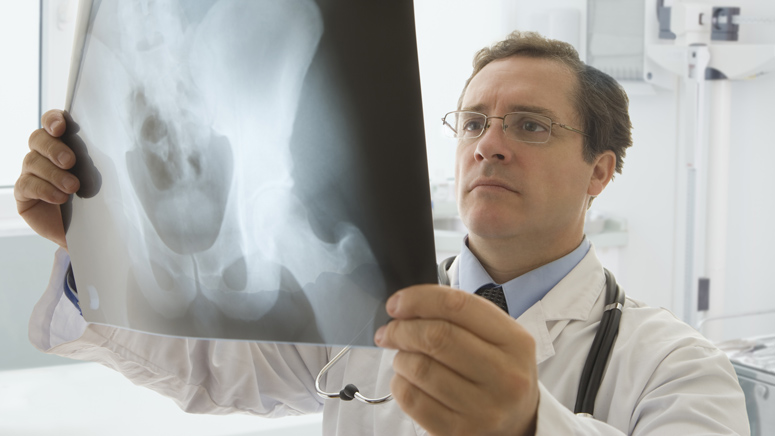
Labral tears can be challenging to diagnose since they share symptoms with other hip ailments. According to the Hospital for Special Surgery, they’re frequently misdiagnosed as groin strains.
A sports medicine physician or orthopedist will conduct a physical examination and take into account your symptoms to determine a diagnosis. They might manipulate your hip in different ways to see whether you feel any pain or clicking.
They will request imaging of your hip if they think your labrum might be torn. imaging methods comprise:
- X-ray: An X-ray of your hip can help detect structural issues and signs of arthritis. [4]
- (MRI) Magnetic resonance imaging: An MRI produces images of your body using electromagnetic waves. It can assist a physician in locating unusual structures or tears in the labrum or other soft tissue in your hip. [5]
- MRA, or a magnetic resonance arthrogram: In order to do an MRA, a medical specialist must inject a dye into your hip joint. An MRA produces images that emphasise or contrast the hip cartilage and joint space in relation to the rest of the bones. In a 2017 study with 50 participants, an MRI identified 28 cases of labral tears whereas an MRA identified 38 cases of tears. [6]