
Causes of Toxoplasmosis
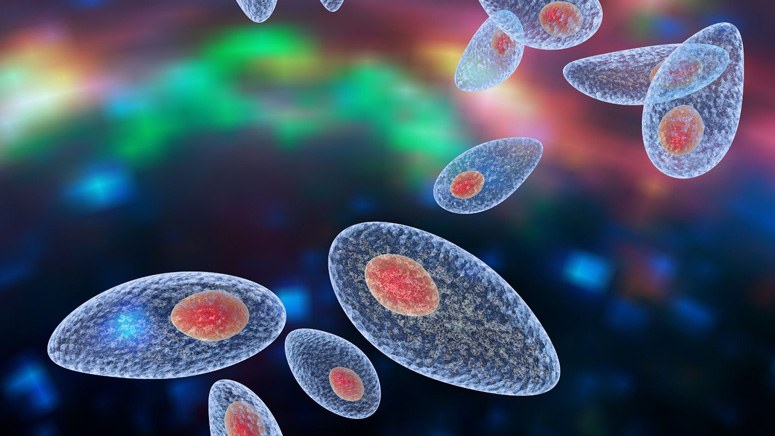
T. gondii infection is the primary cause of toxoplasmosis. The parasite infects humans when they unintentionally eat (ingest) something that is contaminated with it.
You may experience toxoplasmosis symptoms right away after becoming infected or at a later date due to the parasite’s ability to lurk in your body. Some people get flu-like symptoms at the beginning of the parasite infection. However, your immune system can typically eliminate the initial infection without creating any symptoms.
While your immune cells are fighting it off, T. gondii makes small sacs (cysts) in your body. It can live in these cysts, inactive (dormant), for long periods of time. Research suggests that the cysts break open periodically and your body fights off the infection. Like the initial infection, this usually causes no symptoms.
If your immune system is weakened, though, these ruptured cysts can cause a new case of toxoplasmosis (reactivation).