
Diagnosing osteosarcoma
If there is the suspicion that you might have osteosarcoma, your healthcare provider will first undergo a thorough history and physical examination. They’ll ask about the symptoms you experience, and medical history, for example if you have had any prior radiation treatment or whether anyone in your family has certain hereditary conditions. They’ll also look for lumps that may be protruding from bones.
Your healthcare provider might run some test when making diagnosis. These include:
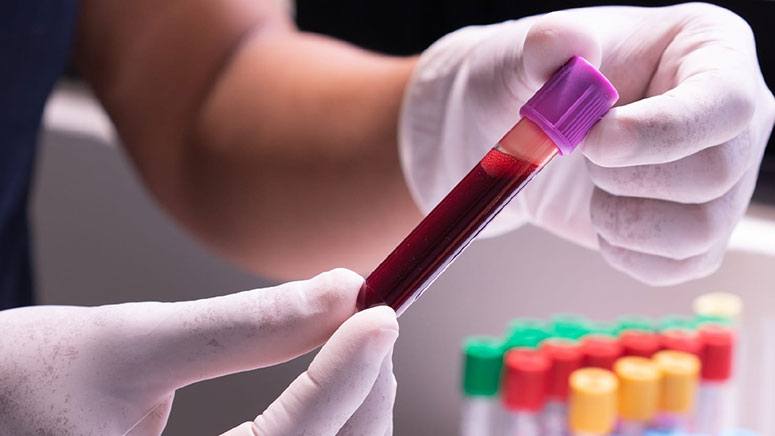
- Blood testing: These tests can provide information about your blood counts and the health of your organs, including your liver and kidneys. A bone tumour cannot be found with a blood test.
- Bone scan: This examination looks for problems with your bones by injecting a small amount of radioactive material into your body.
- X-ray: An X-ray will be taken to check for any unusual bone growths.
- Computed tomography (CT): Using computers, CT creates cross-sectional images of the inside of your body from a number of X-ray images. This examination is done to check for lung tumours.
- MRI test: A big magnet, radio waves, and a computer are used in magnetic resonance imaging (MRI) to produce sharp images of bodily components. If an X-ray is not normal, this may be ordered for more in-depth images.
- ET scan: With the help of a specific glucose tracer, the ET scan can identify the parts of your body where the uptake of glucose is particularly high. Cancer cells frequently take up this tracer at high levels.
- Biopsy: A sample of tissue from the afflicted area is removed during a biopsy so that cancer cells can be examined. Core needle biopsy or surgical biopsy are the two procedures that your doctor is most likely to utilise.