
Treatment for osteosarcoma
Treatment options for osteosarcoma include:
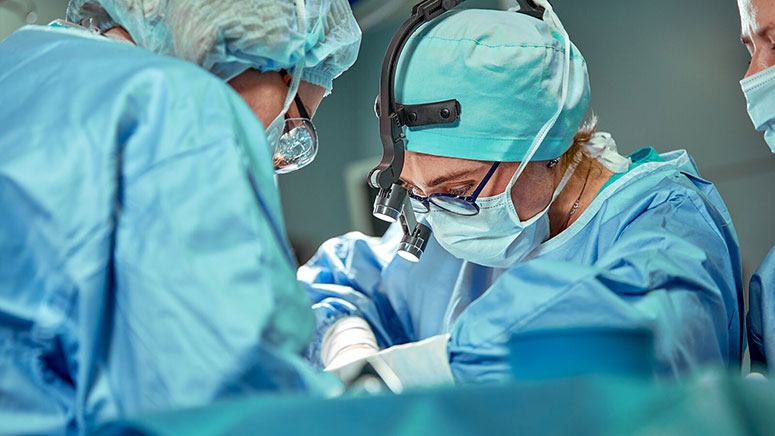
- Surgery: The damaged bone’s tumour and some of the surrounding healthy tissue will be removed during surgery. Surgery may usually be performed on an arm or leg without having to amputate it. It is referred to as limb-salvage surgery. Those whose cancer has not spread past the primary site may be candidates for these procedures. To restore the bone that was removed during surgery, artificial implants or bone harvested from another area of your body may occasionally be utilised.
- Chemotherapy: This is the process of using medications to destroy cancer cells. Prior to surgery, chemotherapy is administered to reduce the size of the tumour and eradicate any cancer cells that may be present in the blood. Chemotherapy is also administered following surgery to remove any remaining cancer cells.
- Radiation therapy: Osteosarcoma may occasionally be treated with radiation. This is especially crucial in regions where surgery is not an option. Radiation therapy comes in two varieties: external and internal. The external form makes use of a device that directs radiation onto the diseased part of the body. It involves Injecting the material using a needle or catheter.
- Targeted therapy: The use of medications that prevent the action of specific proteins required by cancer cells is referred to as targeted therapy. Unlike chemotherapy or radiation, these medications often don’t kill normal cells as much. The most widely utilised medications include kinase inhibitor therapy, mammalian target of rapamycin inhibitors, and monoclonal antibody therapy.
- Cryosurgery: Liquid nitrogen is used in cryosurgery to freeze and kill cancer cells.
- Amputation: An amputation occurs when a limb is surgically amputated. This is unusual.