
Visual Screening Procedures
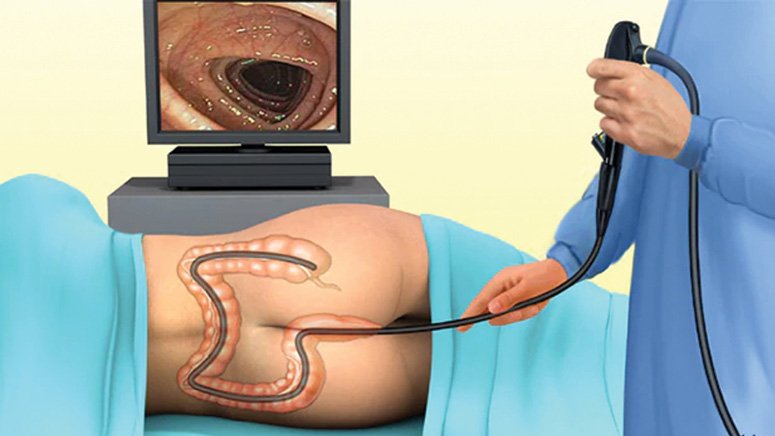
Visual screening is a more serious test, it involves your doctor using a medical device to attempt looking inside of your colon and rectum for polyps or other abnormal growths that may be cancer or precancerous. Before it is done your doctor would need to clean your colon and prepare your bowel a day before. Some types of visual screening would require sedation or general anesthesia. The procedure can only the done in a doctor’s office or hospital.
Three of the most common visual screening procedures include;
- Colonoscopy [3]
- Flexible Sigmoidoscopy
- CT Colonography
These screening choices each have their pros and cons and they are generally categorized into these factors;
Location
Some test samples can be collocated at the the comfort one one’s home. This make the procedure easiy for the person. However, other types of screening must be done in the doctor’s office.
Use of sedatives
The option of a sedative [4]. Some screening procedures require anesthesia (pain medicine) and sedation. Your doctor will discuss with you about your health history and preferences to be able to decide the type of pain medicine and sedation that is best for you during the procedure.
Frequency
Some types of screening are more effective hence would only be done once I every 7 years if colorectal cancer is not discovered. However, their procedures may be longer.
Colon cleansing
Some screenings entail that you take a prescribed medicine that would help to clean out all the stool I your colon and rectum. This cleansing process, sometimes called “bowel prep,” can be uncomfortable and may result to constant need to use the toilet before the procedure.