
Types of Gallstones
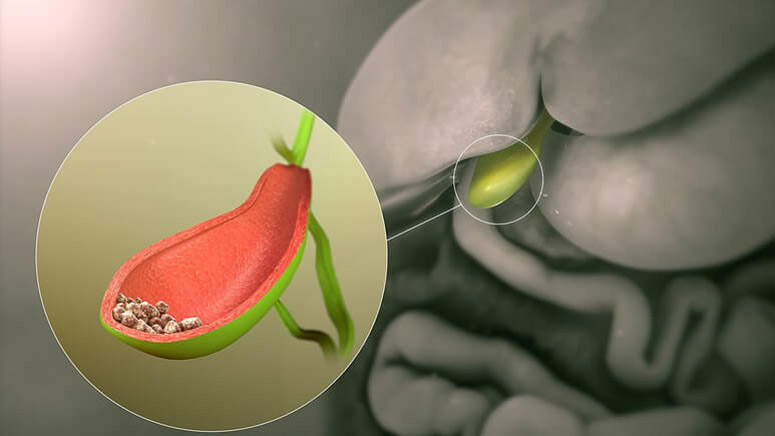
Basically, there are two types of gallstones which can form in the gallbladder. The classification is derived from the cause of the gallstones.
- Cholesterol Gallstones: As the name suggests, it is formed by cholesterol. It usually appears yellow in color. Cholesterol gallstones are more common than pigment gallstones.
- Pigment Gallstones: When there’s too much bilirubin in the bile, dark brown or black gallstones form. These are pigment gallstones. [1]
Signs and Symptoms

Some gallstones don’t happen with noticeable symptoms. They’d rather be there, all docile and okay, and everybody is fine. This type (occasionally called “silent” gallstones) isn’t serious, although it might get serious with time. Gallstones, by themselves, don’t cause the pain you might feel. It’s rather their obstructing the passage of bile that is a big deal here. That’s to imply that symptoms of pain experienced with gallstones will possibly intensify after you’ve had a meal rich in fat. The fat would require bile for its digestion, and while the bile struggles to wriggle out of the gall bladder, you might feel pain. The pain might last for a few seconds up to hours, even.
Pain is a primary symptom of gallstones. It is usually felt in the following areas:
- The right upper portion of the abdomen.
- Around the middle of the abdomen.
- Between the shoulder blades.
- Around the shoulder or the back region.
Aside from the pain associated with gallstones, you can experience other symptoms as a result of a dysfunctional gallbladder. They include:
- Nausea (with or without vomiting).
- Diarrhea
- Stomach upset
- Dark-colored urine
- Indigestion
Some symptoms of gallstones are severe in certain people. You should see a doctor as soon as you notice such symptoms as:
- Unbearable or intense pain around the parts described above, especially if the pain continues for several hours.
- Fever and chills.
- Nausea and vomiting. [2]