
Treatment options
If the tachyarrhythmia case is mild, there may not be need for treatment. However, for more serious cases, your doctor will prescribe several types of arrhythmia medications to restore your healthy heart rate. Example of these medications include:
-
-
-
- Beta-blockers: these helps slow the heart rate and force of contraction by preventing adrenaline (epinephrine) from binding to beta receptors
- Calcium channel blockers: these also help slow heart rate and force of contraction.
- Antiarrhythmic drugs: these influence the electrical conduction in the heart.
-
-
Some other treatment options for severe cases include:
-
-
-
- Cardiac ablation: This involves the use of heat energy or cold energy to destroy a tiny portion of the heart tissue believed to be the source of the abnormal electrical activity. Only your doctor should perform this procedure.
- External cardioversion: This is recommended when medication and other treatment have failed. It involves using an electric shock to reset the heart rhythm. It is usually done under anesthesia.
- Internal cardioversion: Although this is less common, it involves threading two catheters up through the blood vessel starting in the groin and ending in the heart. The catheters deliver a low-level electrical shock to the heart muscle to return it to the normal rhythm.
-
-
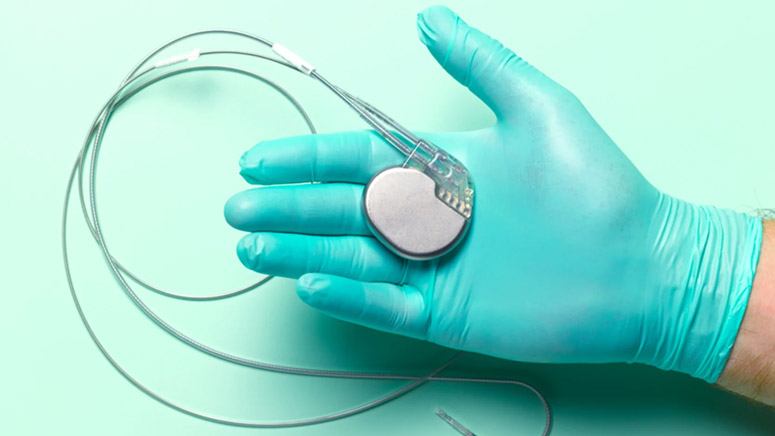
A pacemaker or an implantable cardioverter defibrillator can be surgically implanted to help maintain a normal heart rhythm.