
Tests for IBS and celiac disease
It would help to see your doctor immediately if you experience severe stomach pain, diarrhea, or gas right after you consume specific foods. You should also state when your symptoms started and what triggers them. Your healthcare provider will conduct certain tests to check for signs of celiac disease, including:
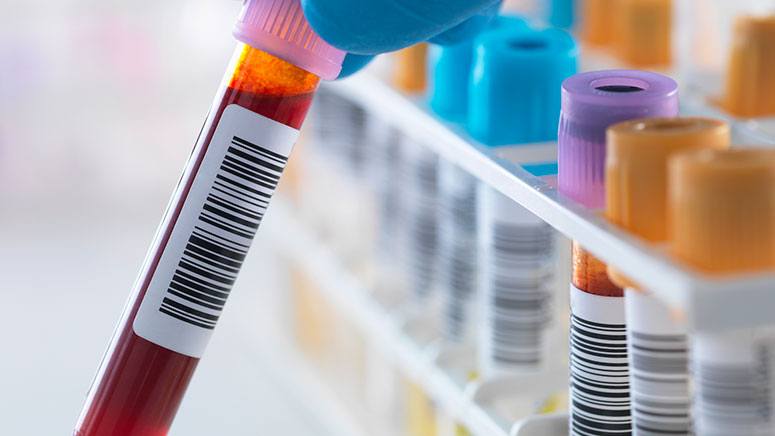
- Blood test: This is done to know if you have low blood counts or celiac antibodies. The presence of low blood counts means you may have anemia.
- Endoscopy: This is used to look for any damage in your small intestine. It involves placing a long, lighted tube in your digestive tract to take a sample of tissue (known as a biopsy) to test for signs of celiac.
- Bone density test: This is a low-dose X-ray that evaluates the quantity of minerals in your bones. It can also check the strength of your bones and how prone they are to breaking.
No test is required for IBS. Your doctor will observe your symptoms to confirm the presence of other conditions, such as Crohn’s disease, celiac, or ulcerative colitis. The absence of any of these conditions means you have IBS.