
How Can Osgood-Schlatter Disease Be Treated?
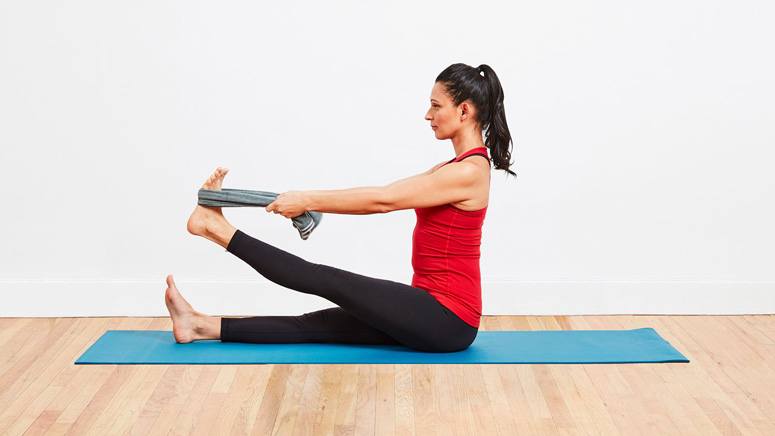
When it comes to treating OSD, there are various means that can be taken into consideration. However, the basic methods recommended are proper rest, exercising, and the use of ice. One can also consider taking regular pain medications. Some of the typical treatments for OSD include:
- Physiotherapy: One way of treating OSD is by undergoing physiotherapy, which includes exercises to boost the overall strength of the quadriceps, gluteal, and hamstring muscles. You can also consider making use of an orthopedic cast or bracing in an attempt to prevent the joints from moving. However, it is of utmost importance to note that bracing can help provide comfort and, at the same time, lower the level of strain around the joint. Raising your legs in a straight manner helps provide strength to the quadriceps, and it does not require you to bend your knee. Ensure you maintain a straight knee and lift your legs in a slow and steady manner.
- Surgery: Although in most cases, surgery is not always required, this is due to the fact that the cartilage growth plate tends to refrain from developing and engulfs with bones immediately after the child’s growth ends. Since the bone is quite rigid when compared to the cartilage, the risk of it experiencing irritation is reduced. In certain situations where the pain seems to persist even when the growth of the bone has ended, surgery might be recommended. And this is only advisable when there are fragments of bones that have not completely healed up. It is important to note that surgery cannot be performed on an athlete who is still growing, as the growth plate can be affected.
- Rehabilitation: The main aim of undergoing rehabilitation [2] is to place emphasis on strengthening the muscles around the affected area. Treatments that do not require surgery for signs and symptoms that are not quite intense include ice packs, knee braces, and stretches to boost range of movement. Most rehabilitation professionals also recommend hamstring and quadriceps exercises in order to attain a flexible and strong muscle. Other rehabilitation exercises that can be performed include squats and leg raises.