
How to cope with dyscalculia beyond managing strategies
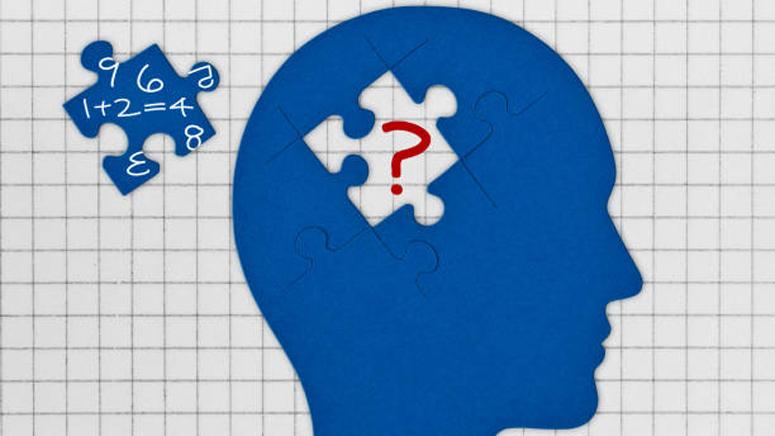
Studies show that learning and processing symptoms associated with dyscalculia are usually caused by weak connections between different regions of the brain. Fortunately, these weak connections can change with time and develop in a way that improves the symptoms. Brain balance program activities are created to help build and develop connections by using a combination of cognitive activities [4] and physical sensory. With these new, effective connections created in the brain, people with dyscalculia will experience improved cognitive abilities and better execution of functions.
A child does not need to have a brain condition to indulge in brain balance activities [5]. Without any clinically diagnosed medical condition, you engage in these activities to build the connections between different regions of the brain [6]. The primary focus of the activities is to understand the struggles people with this condition experience and to help them develop and strengthen the connections required to help them improve. Lessons learnt from Personal Assessment programs for your child will help you manage the condition properly. Personal assessment programs can also create a customized program that talks about any deterioration in functions or skills that your child may have.