
Dyslexia Diagnosis
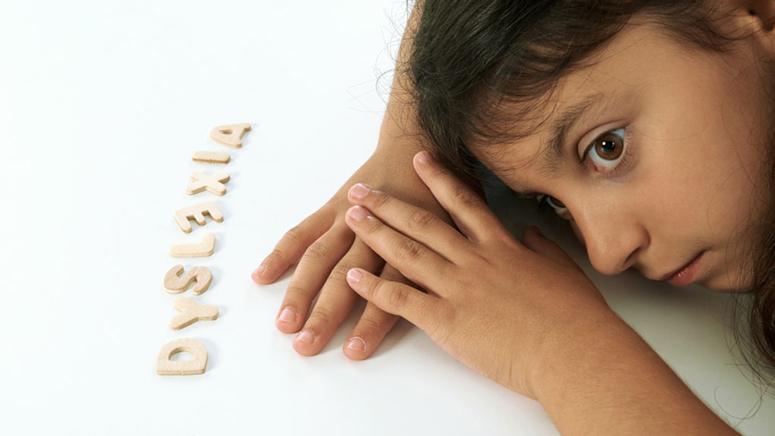
Most parents do not even suspect that their child is dyslexic until he goes to kindergarten or school, where he begins to study symbols. It is necessary to examine children who have a delay in passive and active speech, who cannot catch up with their peers after the first stage of education.
Dyslexia in children is assessed for reading, hearing, speech development, and cognitive ability. Also, children undergo a psychological examination, with the help of which the functional characteristics of children and their preferred forms of education are determined. At the request of teachers or parents, research is carried out that will help determine the level of text comprehension when reading, text analysis, understanding of speech being read, listening speech. Through this research, effective approaches can be identified for teaching a child.
As a result of the study, the functions of active and passive speech are assessed, and cognitive abilities (memory, justification, attention) are examined. Language, pronunciation, speech perception are also assessed.
Psychological examinations help to identify emotional aspects that exacerbate the reading disorder. For this, complete family history is collected, which includes the presence of emotional disorders and mental disorders in the family.
The doctor needs to make sure that the child has normal vision and normal hearing. With the help of a neurological examination, it is possible to identify the presence of dyslexia in children, neuropsychic immaturity, or neurological disorders in order to exclude any other diseases.