
Changes in Sleep Patterns
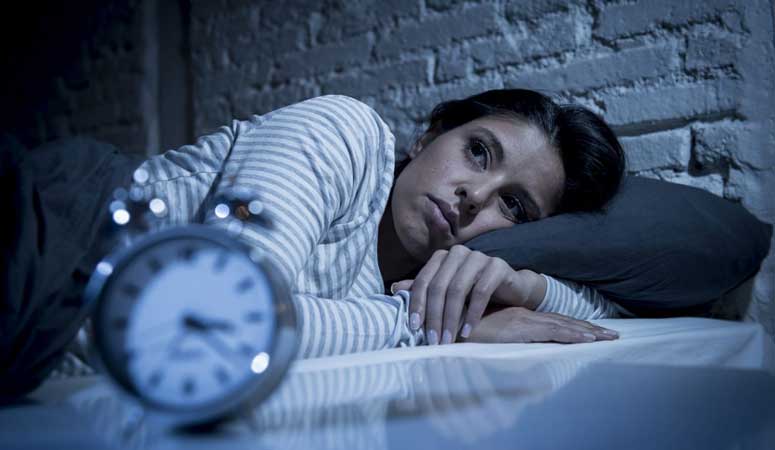
Changes in sleep patterns due to insomnia is a major symptom of depression. Generally, depression and sleep are closely linked. Most individuals with depression experienced sleep problems. Doctors are careful to diagnose depression when the individual has a normal sleep pattern.
Poor sleep can also contribute to the development of depression. Insomnia is a common condition associated with depression and develops in around 75% of adults [5] with mental health conditions. It is believed that one-fifth of people with depression have obstructive sleep apnea and around 15% of individuals with depression have hypersomnia.
Sleep disruption affects the entire body’s stress system by affecting circadian rhythms and increasing a depressed state’s vulnerability. Common treatments of depression causing sleep pattern disorder includes medications like antidepressants and counseling.