
Medications
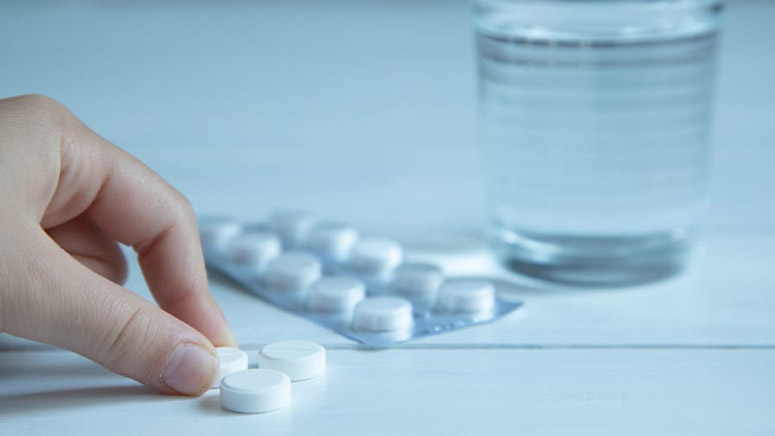
Certain medications [4] increase the risk of an individual having a dry mouth or Xerostomia. Many prescription and non-prescription-medications tend to make individuals, especially older adults, to have a dry mouth. Examples of these medications are those used to treat pain, allergies, colds, obesity, acne, anxiety, pain, allergies, and Parkinson’s disease. If you think that the medication you use causes your mouth to feel dry, then speak to your doctor.
Conclusion

Dry mouth is often a temporal condition. However, in some cases, it could be a symptom of a medical medication like nerve damage. Usually, dry mouth symptoms can be relieved by sucking on ice cubes, avoiding the intake of alcohol, tobacco, and caffeine. Most importantly, engage in reasonable dental care procedures to keep the mouth in good condition. You may visit the dentist often a year and floss regularly.
Reference:
[1] https://www.nidcr.nih.gov/sites/default/files/2018-08/DryMouth&OlderAdults-508.pdf
[2] https://www.ncbi.nlm.nih.gov/pmc/articles/PMC3429961/
[3]https://www.cdc.gov/tobacco/basic_information/health_effects/index.htm#:~:text=Smoking%20causes%20cancer%2C%20heart%20disease,immune%20system%2C%20including%20rheumatoid%20arthritis.
[4]https://www.ncbi.nlm.nih.gov/pmc/articles/PMC4209628/#:~:text=Drugs%20most%20commonly%20associated%20with,inhibitors%20(ACE%20inhibitors)%2C%20%2D