
How to Take Care of Veneers
The healing process doesn’t take as long as it does with other dental operations. Instead, you can eat and chew as usual when the veneers are bonded in place and any numbing agents wear off. Make sure not to chew on your cheeks or tongue while the anaesthetic wears off.
No-prep veneers last about 5 to 7 years, while traditional porcelain veneers normally last at least 10 years (and some study indicates they can occasionally last as long as 20 years). You can ensure that you get the most lifespan out of them by taking a few measures. These safety measures include:
- Never use your teeth to open packaging.
- Don’t chew on hard objects like pens, ice, or your fingernails.
- Try not to chew with your front teeth. Eat harder foods with your back teeth only; cut up hard foods so that this is possible.
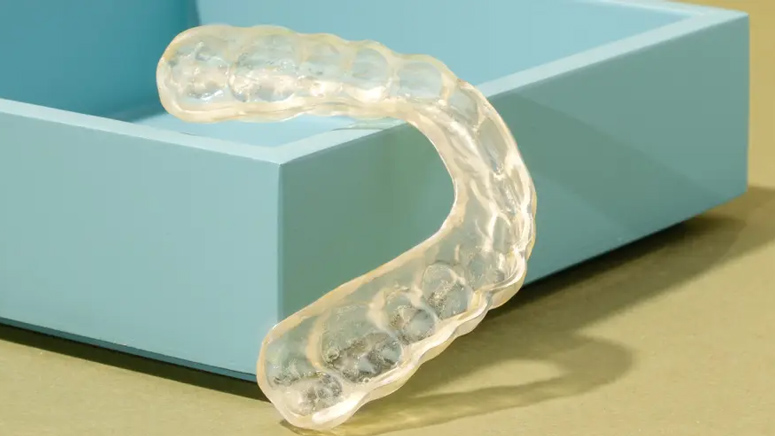
- If you grind or clench your teeth at night, get a splint or retainer [6] to protect your veneers.
- If you grind or clinch your teeth, you should get a mouth guard or retainer.
- Wear a mouth guard when you play contact sports
Conclusion
Veneers are a great approach to improve your smile and increase your confidence; they might be the right choice for you. Consider both the advantages and disadvantages of treatment before deciding. Ask your dentist if dental veneers are a good option for you based on your individual cosmetic objectives.
Reference:
[1] https://www.cadcam.org/
[2] https://www.thelumineers.com/
[3] https://www.ada.org/
[4] https://medlineplus.gov/xrays.html
[5] https://my.clevelandclinic.org/health/diseases/10946-cavities
[6] https://my.clevelandclinic.org/health/treatments/10899-teeth-retainer