
Mumps Prevention
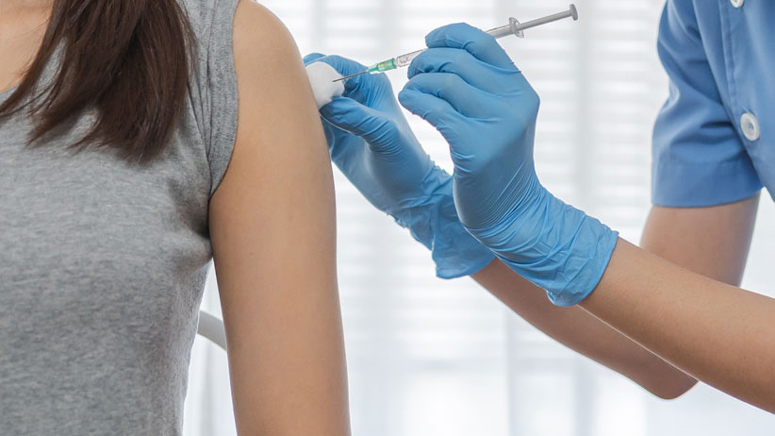
Mumps can be avoided via vaccination. Measles, mumps, and rubella (MMR) vaccinations [5] are typically given to infants and kids at the same time. At a routine well-child checkup between the ages of 12 and 15 months, the first MMR shot is typically administered. Children between the ages of 4 and 6 who are school-age require a second immunization. The effectiveness of the mumps vaccine after two doses is about 88 percent. A single dose has an efficacy rate of roughly 78%.
Adults who were born prior to 1957 and have not yet developed the mumps may wish to get the vaccine. A mumps vaccination should always be required for those who work in high-risk settings like hospitals or schools.
The MMR vaccine should not be given to anyone with a weakened immune system, a gelatin or neomycin allergy, or a pregnant woman. For information about a vaccination regimen for you and your kids, speak with your primary care physician.
Conclusion
Mumps is a viral infection that can spread from One person to another, whether through physical contact or body fluids. There are several symptoms of mumps as mentioned in the article. It is important that you visit your doctor as soon as you suspect the condition. The earlier treatments start the better your chance of preventing complications and recovery.
Reference:
[1] https://my.clevelandclinic.org/health/symptoms/10880-fever
[2] https://my.clevelandclinic.org/health/diseases/21658-orchitis
[3] https://www.healthline.com/health/womens-health/oophoritis
[4] https://www.ncbi.nlm.nih.gov/books/NBK545217/
[5] https://www.nhs.uk/conditions/vaccinations/mmr-vaccine/