
Causes of polio
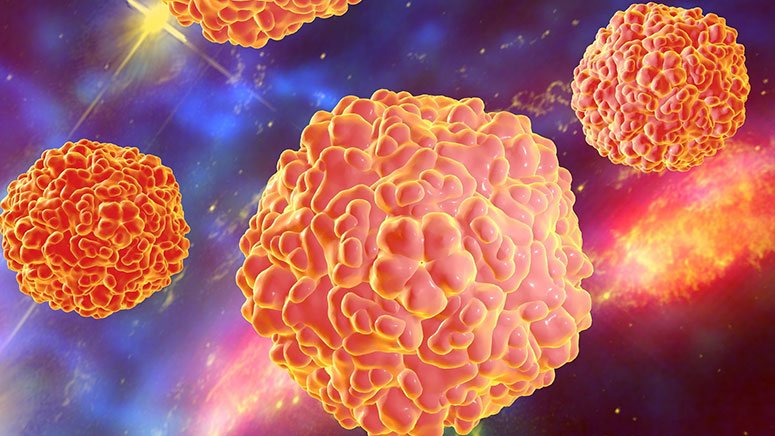
Polio is caused by a virus called poliovirus. The virus enters the body through the mouth or nose entering the digestive and respiratory system, which brings about difficulty breathing. The virus spreads gradually to all parts of the body by first multiplying in the throat and intestines, from there, it can enter the bloodstream. The virus can also attack the nervous system, affecting the nerve network that helps the brain communicate with the rest of the body.
There are three strains of poliovirus, they include; type 1, type 2, and type 3. Type 2 and 3 have gradually been eradicated but type 1 which is the most common is still affecting people in some countries.
Poliovirus is gotten or transferred through contact with infected feces. Objects like toys that have come near infected feces can also transmit the virus. Although it is less common, the virus can also be transmitted via sneezing or a cough, as the virus lives in the throat and intestines.
Without vaccination, the disease is more common with people living in areas that have limited access to running water or flush toilets, or general poor sanitation, the virus is contracted from drinking water contaminated by infected human waste. The level at which it is contagious guarantees that anyone living with someone who has the virus can catch it too.
Other causes of polio or risk factors that increase your chances of getting infected include:
- Close contact or living with someone infected with polio
- Scientists that handles laboratory specimen of the virus
- Traveling to or visiting a place that has had a recent polio outbreak.
- Removal of your tonsils
- Have extreme stress or strenuous activity after exposure to the virus (not giving your immune susya chance to fight it quickly)
People with weak immune systems, such as those who are HIV positive or have another disease, children, and pregnant women are more likely to get infected with poliovirus.