
Polio vaccine
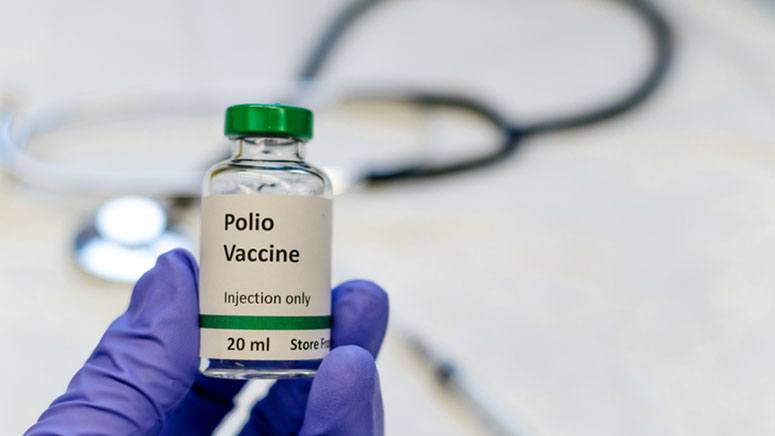
The Polio vaccine is the best way to prevent polio. Usually a series of four shots on the arm or leg. There are basically two types of vaccines that can prevent polio:
- Inactivated poliovirus vaccine (IPV) is given as an injection in the arm or leg, depending on the patient’s age. This is the most common vaccine and has been in use since 2000.
- Oral poliovirus vaccine (OPV). This is also a very common polio vaccine and is used throughout the world.
Children should get shots of polio vaccine according to the vaccination Schedule presented by the center for disease control and prevention (CDC).
The recommended schedule is as follows
- First shot when the baby is 2 months old.
- Second shot when the child is 4 months old.
- Third shot when the child is between 6 and 18 months old.
- A “booster” shot when 4 to 6 years old, for an extra dose to secure protection.
The use of the vaccine is most effective when you are a child. However, if you didn’t use it as a child you should get three shots in adulthood.
The schedule for the vaccine shot as an adult is as follows.
- First dose at any time.
- Second dose a month or two later.
- Final dose six to 12 months after the second.
It is never too late to get your vaccine as long as you have not contracted the disease. If you didn’t get all your vaccine doses as a child you should get the remaining shots in adulthood.