
Diagnosing Sarcoidosis
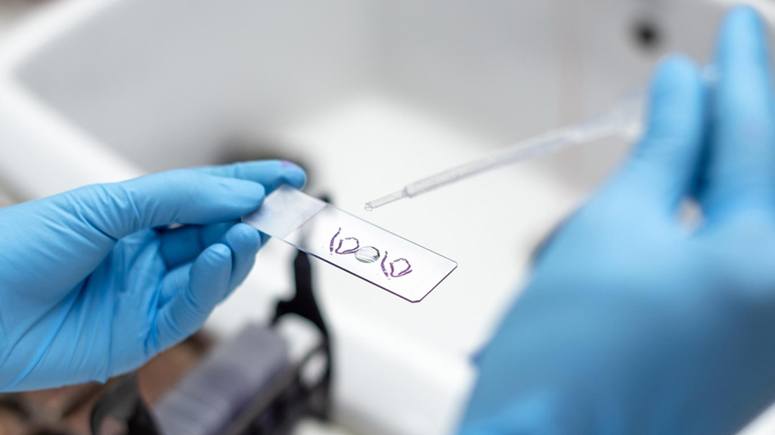
Sarcoidosis is usually diagnosed with a combination of a physical exam, imaging (such as chest X-ray) and biopsy of suspected Granulomas. Because sarcoidosis can resemble other conditions, your healthcare provider may recommend additional tests to rule out other illnesses.
Tests for diagnosing sarcoidosis
Although biopsies and imaging tests are the most common methods for diagnosing sarcoidosis, your doctor may prescribe additional testing based on your symptoms.
- Imaging tests employ specialized equipment to take images of your body’s internal structures. An MRI, CT scan, or chest X-ray may be ordered by your healthcare professional.
- Biopsy: There are numerous methods for doing biopsies, based on the location of the suspected granulomas by your healthcare practitioner. The biopsies of the skin, conjunctiva (the eye), and some lymph nodes can be non- or minimally invasive.
With more complex procedures, tissue from your lungs can be examined using tiny tubes, cameras, and biopsy equipment inserted through your neck, nose, or an incision. Among them are:
- Transbronchial fine needle aspiration with endobronchial ultrasound guidance (EBUS-TBNA).
- Transbronchial biopsy using bronchoscopy.
- The mediastinoscopy.
Additional sarcoidosis testing may include:
- Tests for pulmonary function: Non-invasive procedures to gauge how well your lungs operate.
- Lab tests: Your liver, kidneys, and other organs’ functioning can be assessed using blood or urine tests.
- Nuclear imaging: To visualize inflammation in your body, a tiny quantity of radioactive material is injected into a vein during PET and gallium scans.
- An electrocardiogram, often known as an EKG or ECG, is a standard office test that measures your heart’s electrical activity.
- Slit-lamp examination: Your provider looks at the inside of your eye to detect eye-related problems caused by sarcoidosis.
- Purified protein derivative: A simple skin test that helps establish prior exposure or infection with tuberculosis (TB) [19]. This can diagnose or rule out TB, which is sometimes mistaken for sarcoidosis.